2026 Climate Action Incentive Payment: How Canadian Households Can Receive Up to $1,000 Annually
Advertisements

Are you looking for an easy way to offset your rising everyday expenses? Securing your Climate Action Incentive Payment is the perfect way to put extra cash back into your pocket.
This federal carbon refund aims to support households while driving environmental change. By understanding how this green subsidy is calculated, you can maximize your family’s quarterly returns.
Ready to find out if your household qualifies for the maximum annual payout? Let’s break down the rules so you don’t leave up to $1,000 on the table.
Understanding the 2026 Climate Action Incentive Payment
The 2026 Climate Action Incentive Payment (CAIP) is a cornerstone of Canada’s climate plan, designed to return the proceeds from the federal carbon pollution pricing system to eligible individuals and families.
This payment is a tax-free amount intended to help offset the cost of the federal carbon levy.
As the federal carbon tax continues to increase, so too will the CAIP, ensuring that most Canadian households receive more money back than they pay in carbon pricing. This mechanism aims to make climate action affordable for everyone, especially those with lower incomes.
The payment structure is designed to be progressive, meaning households with lower incomes typically receive a larger net benefit from the CAIP. This approach supports financial equity while encouraging more sustainable practices across the country.
Eligibility Criteria for Canadian Households
Eligibility for the 2026 Climate Action Incentive Payment hinges primarily on residency and tax filing status. To qualify, you must be a resident of Canada for income tax purposes at the beginning of the month in which the payment is made.
Furthermore, you must reside in a province where the federal carbon pollution pricing system applies. Currently, this includes Alberta, Manitoba, New Brunswick, Newfoundland and Labrador, Nova Scotia, Ontario, Prince Edward Island, and Saskatchewan.
It is crucial for all eligible individuals to file their income tax and benefit returns annually, even if they have no income to report.
The Canada Revenue Agency (CRA) uses this information to determine eligibility and calculate the payment amounts for the 2026 Climate Action Incentive Payment.
How Payments are Calculated and Distributed
The amount of the 2026 Climate Action Incentive Payment a household receives depends on several factors, including the province of residence, the number of adults in the household, and the number of children under 19. Rural residents often receive an additional supplement.
Payments are typically issued quarterly, providing regular financial support throughout the year. These amounts are automatically calculated by the CRA based on your filed income tax return, eliminating the need for a separate application process.
For the 2026 cycle, specific amounts will be announced closer to the payment dates, reflecting the updated carbon pricing rates. However, projections suggest that many families could indeed receive up to $1,000 annually, reinforcing the program’s significant impact.
Regional Variations and Rural Supplements
The 2026 Climate Action Incentive Payment structure acknowledges the varying impacts of carbon pricing across different regions of Canada.
Provinces where the federal carbon tax applies will see their residents receive the CAIP, while those with their own carbon pricing systems do not.
A notable feature of the CAIP is the rural supplement, designed to provide additional support to individuals and families living in rural and small communities. This supplement recognizes that rural residents often face higher energy costs and have fewer public transportation options.
Currently, the rural supplement provides an additional 10% to the base CAIP amount for eligible residents. This targeted support ensures that the program is equitable and addresses the unique challenges faced by diverse Canadian communities.
Impact on Household Budgets and Cost of Living
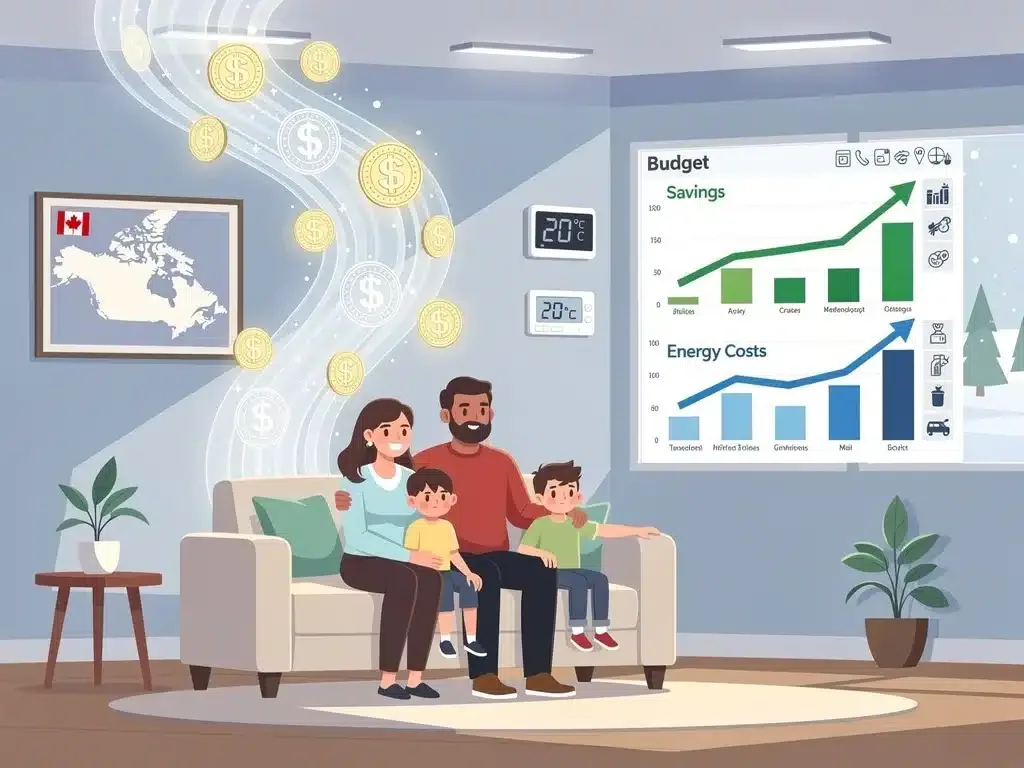
The 2026 Climate Action Incentive Payment is specifically designed to help Canadian households manage the increased cost of living associated with carbon pricing. By returning the majority of the carbon tax proceeds, the government aims to keep life affordable for families.
For many, particularly lower to middle-income households, the CAIP can effectively offset, or even exceed, the additional costs incurred due to the carbon tax. This can free up funds for other essential expenses, improving overall financial stability.
While the CAIP provides direct financial relief, it also encourages households to consider more energy-efficient choices and reduce their carbon footprint. Over time, this dual approach can lead to both financial savings and environmental benefits.
Future Projections and Program Evolution
As Canada progresses towards its climate targets, the 2026 Climate Action Incentive Payment is expected to continue evolving. The federal government regularly reviews the carbon pricing system and the CAIP to ensure their effectiveness and fairness.
Future adjustments could include changes to payment amounts, eligibility criteria, or even the provinces where the federal system applies. These changes are typically announced well in advance, allowing Canadians to prepare accordingly.
Maintaining awareness of these potential adjustments is crucial for households relying on the CAIP. Official government sources, such as the Department of Finance Canada and the Canada Revenue Agency, will provide the most up-to-date information regarding the program’s future.
Navigating Your Benefits: Resources and Support
Understanding and accessing the 2026 Climate Action Incentive Payment is straightforward, but resources are available for those who need assistance. The Canada Revenue Agency (CRA) website is the primary source for comprehensive information.
The CRA provides detailed guides on filing tax returns, understanding benefit statements, and updating personal information to ensure accurate payment delivery. Their online services and phone support lines are also available for specific inquiries.
Community organizations and financial advisory services often offer free assistance with tax filing and benefit navigation. Utilizing these resources can ensure that eligible households receive their full entitlement from the 2026 Climate Action Incentive Payment.
The Role of Climate Action Incentive in Canada’s Green Economy
Beyond direct financial support, the 2026 Climate Action Incentive Payment plays a vital role in Canada’s broader strategy to transition to a green economy. By putting a price on carbon pollution, the government incentivizes businesses and individuals to reduce their emissions.
The revenue generated from carbon pricing, which is largely returned through the CAIP, also funds investments in clean technologies and climate-friendly initiatives. This creates a virtuous cycle where economic incentives drive environmental progress.
The CAIP, therefore, is not just a rebate; it’s an integral part of a comprehensive policy framework aimed at achieving Canada’s climate goals while supporting its citizens. Its continued implementation will be key to Canada’s sustainable future.
| Key Aspect | Brief Description |
|---|---|
| Payment Purpose | Offsets federal carbon pricing costs for Canadian households. |
| Eligibility | Canadian resident in an applicable province, files annual tax returns. |
| Expected Amount | Up to $1,000 annually for many households by 2026. |
| Distribution | Quarterly, tax-free payments via the Canada Revenue Agency. |
Frequently Asked Questions about the 2026 Climate Action Incentive Payment
Who is eligible for the 2026 Climate Action Incentive Payment?▼To be eligible, you must be a resident of Canada for income tax purposes, reside in an eligible province where the federal carbon pollution pricing system applies, and file your annual income tax return. This ensures the CRA has the necessary information for calculation and distribution.
How much can Canadian households expect to receive from the 2026 Climate Action Incentive Payment?▼Many Canadian households could receive up to $1,000 annually through the 2026 Climate Action Incentive Payment. The exact amount varies by province, household composition (adults, children), and whether you live in a rural area, which provides an additional supplement.
When are the 2026 Climate Action Incentive Payments issued?▼Payments for the 2026 Climate Action Incentive Payment are typically issued on a quarterly basis. These tax-free amounts are automatically deposited into your account if you have direct deposit set up with the Canada Revenue Agency, providing regular financial support.
Do I need to apply for the 2026 Climate Action Incentive Payment?▼No, a separate application is not required for the 2026 Climate Action Incentive Payment. The Canada Revenue Agency automatically determines your eligibility and calculates the payment amount based on the information provided in your annual income tax and benefit return.
What is the purpose of the rural supplement for the CAIP?▼The rural supplement provides an additional 10% to the base 2026 Climate Action Incentive Payment amount for eligible residents of rural and small communities. This aims to address the higher energy costs and often limited transportation options faced by those living outside urban centers.
Looking Ahead: The Ongoing Evolution of Canada’s Climate Action
The introduction and continued refinement of the 2026 Climate Action Incentive Payment underscore Canada’s commitment to both environmental stewardship and economic fairness.
As the federal carbon pricing system matures, the CAIP will remain a critical tool for ensuring that climate policies do not disproportionately burden Canadian families.
Monitoring official announcements from the Department of Finance Canada and the Canada Revenue Agency will be essential for understanding any future adjustments to this vital benefit program.