Canada Workers Benefit 2026: New Eligibility Changes & Claiming Up To $2,800 More
Advertisements

Hardworking Canadians have a massive opportunity to boost their wallets this tax season. Staying informed about the Canada Workers Benefit 2026 is the key to unlocking major government support, especially with newly adjusted baseline thresholds expanding who qualifies.
The Canada Revenue Agency has updated its income frameworks to combat inflation, ensuring more individuals and households keep cash in their pockets. Under the revised rules, eligible working families could secure maximum basic federal tax credits reaching up to $2,800.
Maximizing this refundable financial injection simply requires understanding how your net earnings line up with the updated provincial brackets. Here is exactly how to navigate the revised application criteria and claim the full funding you are legally owed.
Understanding the Canada Workers Benefit 2026 Revisions
The federal government has recently announced substantial revisions to the Canada Workers Benefit 2026, a key initiative aimed at supporting low-income individuals and families across Canada.
These changes are designed to provide more robust financial assistance, directly addressing the rising cost of living and promoting greater economic stability for working Canadians.
The adjustments focus primarily on expanded eligibility criteria and an increased maximum benefit amount, with some recipients potentially receiving up to $2,800 more.
This significant boost is expected to have a tangible impact on the financial well-being of hundreds of thousands of Canadians who rely on this benefit.
Officials emphasize that these enhancements to the Canada Workers Benefit 2026 are part of a broader strategy to strengthen Canada’s social safety net and ensure that work pays.
The goal is to lift more individuals and families out of poverty, encouraging participation in the workforce while providing necessary financial relief.
Key Eligibility Changes for the Canada Workers Benefit 2026
A central component of the updated Canada Workers Benefit 2026 framework involves significant alterations to who qualifies for the benefit. These modifications aim to broaden the reach of the program, ensuring that more working Canadians who genuinely need support can access it.
According to recent government releases, the income thresholds for eligibility have been adjusted upwards, meaning individuals and families earning slightly more than previous limits may now qualify.
This expansion acknowledges the evolving economic landscape and the increasing financial pressures faced by many households.
Furthermore, specific changes related to family composition and disability status have been introduced to ensure a more equitable distribution of the benefit. These nuanced adjustments reflect a commitment to inclusivity and targeted support for vulnerable populations within the Canadian workforce.
Revised Income Thresholds and Phase-Out Rates
The new income thresholds for the Canada Workers Benefit 2026 represent a crucial update for potential recipients. For single individuals, the maximum net income before the benefit begins to phase out has been raised, allowing more working individuals to qualify.
Similarly, for families, including those with eligible dependents, the income ceilings have seen a notable increase.
This adjustment ensures that two-parent households and single-parent families can continue to receive support even as their earnings grow, providing a more gradual transition out of the benefit program.
The phase-out rate, which determines how quickly the benefit decreases as income rises, has also been recalibrated to ensure a smoother reduction. This revised structure aims to avoid sudden financial cliffs, promoting a more stable financial outlook for beneficiaries.
Impact on Families and Individuals with Disabilities
Families, particularly those with children, stand to gain significantly from the enhanced Canada Workers Benefit 2026. The updated criteria include more favourable considerations for eligible dependents, reflecting the higher costs associated with raising a family in Canada.
For individuals with disabilities, the changes are particularly impactful, with specific provisions designed to acknowledge and support their unique financial needs.
These adjustments aim to reduce barriers to employment and ensure that the benefit effectively complements other disability support programs.
These targeted enhancements underscore the government’s commitment to fostering an inclusive economy where all working Canadians, regardless of their family structure or disability status, have the opportunity to thrive. The goal is to provide a more comprehensive and compassionate support system.
How to Claim Up to $2,800 More This Year
The prospect of claiming up to an additional $2,800 through the Canada Workers Benefit 2026 is a significant incentive for eligible Canadians. Understanding the precise steps to access these enhanced funds is paramount to ensuring you receive the maximum benefit you are entitled to.
The primary method for claiming the Canada Workers Benefit remains tied to your annual income tax return. The Canada Revenue Agency (CRA) uses the information provided in your T1 income tax and benefit return to determine your eligibility and calculate your benefit amount.
To maximize your potential claim, it is crucial to accurately report all income and deductions, as even small discrepancies can affect your benefit calculation. Being proactive and informed about these processes will be key to accessing the increased support.
Understanding the Advance Payments System
Many eligible individuals and families currently receive advance payments of the Canada Workers Benefit 2026 throughout the year, rather than waiting for a lump sum after filing their taxes. This system helps provide more immediate financial relief, distributing the benefit in quarterly installments.
With the new changes, these advance payments are also expected to increase, reflecting the overall boost in the maximum benefit amount.
It is essential for recipients to verify their personal information with the CRA to ensure these payments are calculated correctly based on their current circumstances.
Recipients should monitor their CRA My Account for updates regarding their advance payment schedule and amounts. Any changes in income or family status should be reported promptly to avoid overpayments or underpayments of the benefit, ensuring a smooth process.
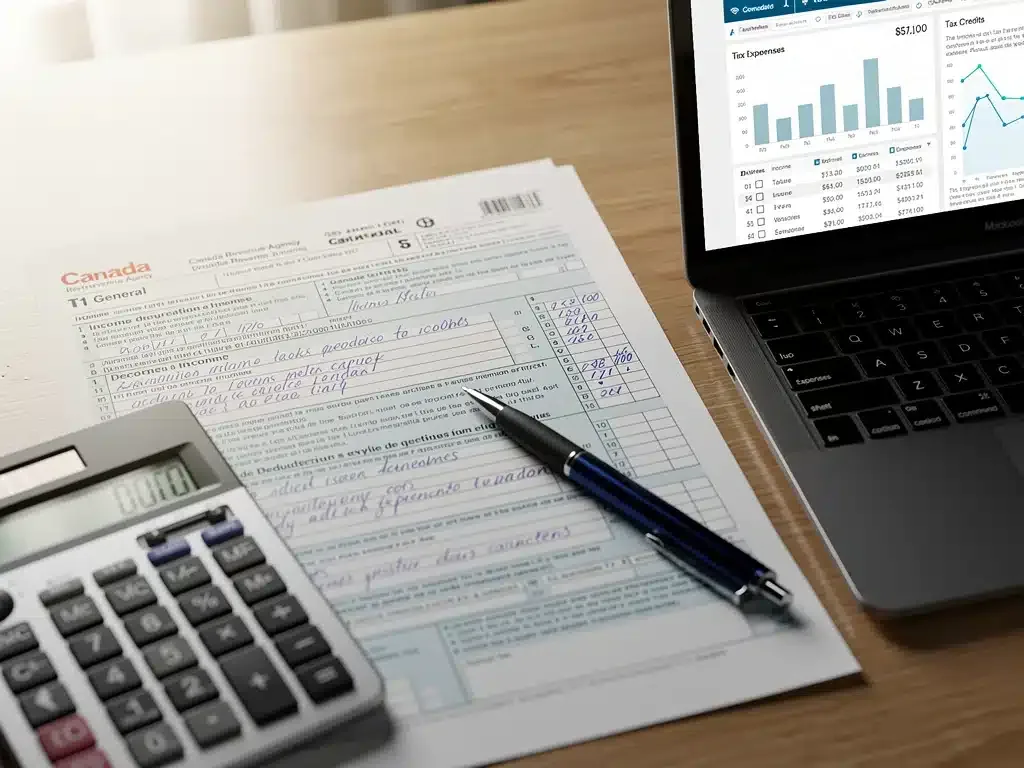
Tips for Maximizing Your Benefit Claim
To ensure you claim the maximum possible benefit under the Canada Workers Benefit 2026, several key actions are recommended. Firstly, ensure that your annual income tax return is filed accurately and on time, as this is the primary mechanism for benefit calculation.
Secondly, keep meticulous records of all your income and eligible deductions throughout the year. This includes employment income, self-employment income, and any other sources, as well as deductions that can reduce your net income and potentially increase your benefit.
Finally, consider seeking professional advice if your financial situation is complex, or if you are unsure about specific eligibility criteria. A tax professional can help navigate the nuances of the benefit and ensure all eligible claims are made, optimizing your Canada Workers Benefit.
The Economic Impact of Enhanced CWB
The enhanced Canada Workers Benefit 2026 is poised to deliver a significant economic impact, particularly for low-income communities across Canada.
By injecting additional funds directly into the hands of working Canadians, the government aims to stimulate local economies and improve overall financial resilience.
Economists predict that the increased purchasing power resulting from these benefit enhancements will lead to greater consumer spending, supporting local businesses and contributing to economic growth.
This direct financial support acts as a crucial safety net, especially during periods of economic uncertainty.
Beyond immediate spending, the benefit also helps reduce reliance on other social assistance programs, fostering greater financial independence among recipients. This shift aligns with the broader goal of a stronger, more equitable Canadian economy, driven by a robust workforce.
Navigating the Application Process for Canada Workers Benefit 2026
For many, navigating government benefit applications can seem daunting, but the process for the Canada Workers Benefit 2026 is designed to be as straightforward as possible.
The primary step involves filing your annual income tax return, which automatically assesses your eligibility.
The Canada Revenue Agency (CRA) uses the information from your T1 return to determine if you qualify and to calculate your benefit amount. Therefore, the most critical aspect of the application is ensuring your tax return is complete, accurate, and submitted by the deadline.
If you are new to filing taxes or require assistance, various community organizations and the CRA itself offer free tax clinics and resources to help you prepare your return correctly. Taking advantage of these services can simplify the process significantly.
Understanding Auto-Enrollment and Manual Applications
For many eligible Canadians, enrollment in the Canada Workers Benefit 2026 is automatic once their tax return is assessed. If you qualify based on the income and family information provided in your T1, the CRA will automatically issue the benefit to you.
However, there are specific situations where a manual application might be necessary, particularly if there have been significant changes to your circumstances that the CRA might not be immediately aware of.
These could include changes in marital status, the birth of a child, or changes in disability status.
It is always prudent to review your CRA My Account online or contact the CRA directly if you believe you are eligible but have not received the benefit or its advance payments. Being proactive ensures you do not miss out on the support available through the Canada Workers Benefit 2026.

Monitoring Official Updates and Resources
Staying informed about the latest developments regarding the Canada Workers Benefit 2026 is crucial, as government policies and economic conditions can evolve.
The Canada Revenue Agency (CRA) website is the primary official source for the most accurate and up-to-date information.
Regularly checking the CRA’s announcements section and subscribing to their mailing lists can provide timely notifications about any further adjustments, eligibility clarifications, or changes to payment schedules.
This proactive approach ensures you are always working with the most current data.
Beyond official government channels, reputable financial news outlets and community support organizations often provide valuable insights and practical guidance.
These resources can help interpret complex information and offer assistance with specific questions related to the Canada Workers Benefit.
Comparing CWB with Other Canadian Benefits
The Canada Workers Benefit 2026 operates as a vital component of Canada’s broader social safety net, but it is important to understand how it interacts with other federal and provincial benefits.
This understanding helps eligible individuals maximize their overall financial support without inadvertently affecting other entitlements.
Unlike some benefits that are income-tested and may reduce other forms of assistance, the CWB is designed to complement existing programs for low-income workers.
It primarily aims to encourage workforce participation and provide a direct financial boost, rather than replacing other critical supports.
Canadians should review their eligibility for other programs such as the Canada Child Benefit, GST/HST credit, and various provincial tax credits.
A comprehensive approach to understanding all available benefits ensures that all potential financial assistance is leveraged effectively, maximizing the impact of the Canada Workers Benefit 2026.
Future Outlook for the Canada Workers Benefit 2026
The enhancements to the Canada Workers Benefit 2026 signal a continued commitment from the federal government to support low-income Canadians.
This forward-looking approach suggests that the benefit will remain a cornerstone of Canada’s social policy for years to come, adapting to evolving economic needs.
Future adjustments may include further refinements to income thresholds, benefit amounts, or specific eligibility criteria, based on economic performance and social indicators.
Policymakers are likely to continuously evaluate the program’s effectiveness in achieving its objectives of poverty reduction and workforce integration.
For Canadians, this means the Canada Workers Benefit will likely remain a dynamic and responsive program, requiring ongoing attention to official announcements and policy updates. Staying engaged with these developments will be key to understanding the full scope of support available.
| Key Aspect | Details and Implications |
|---|---|
| Increased Benefit | Eligible Canadians could receive up to $2,800 more, boosting financial stability. |
| Expanded Eligibility | Higher income thresholds mean more working individuals and families now qualify. |
| Claiming Process | Primarily through accurate tax filing; advance payments also adjusted. |
| Economic Impact | Stimulates local economies and reduces poverty for low-income workers. |
Frequently Asked Questions About the Canada Workers Benefit 2026
What are the main changes to the Canada Workers Benefit for 2026?▼The primary changes for the Canada Workers Benefit 2026 include increased maximum benefit amounts, potentially offering up to $2,800 more for eligible recipients. Additionally, eligibility income thresholds have been raised, allowing more low-income working Canadians to qualify for this important federal support program.
Who is now eligible for the enhanced Canada Workers Benefit 2026?▼Eligibility for the Canada Workers Benefit 2026 has expanded to include individuals and families with higher net incomes than in previous years. Specific criteria also consider family composition and disability status, aiming to provide more comprehensive support to a broader range of working Canadians who need financial assistance.
How can I claim the additional $2,800 from the Canada Workers Benefit 2026?▼To claim the enhanced Canada Workers Benefit 2026, you must file your annual income tax return accurately with the Canada Revenue Agency (CRA). The CRA automatically assesses your eligibility and calculates your benefit based on the information provided. Advance payments are also adjusted to reflect the increased benefit amount.
Will the Canada Workers Benefit 2026 affect other government benefits I receive?▼The Canada Workers Benefit 2026 is generally designed to complement other federal and provincial benefits, rather than reduce them. It aims to boost the income of low-wage workers. However, it is always advisable to review the specific guidelines for all benefits you receive to understand any potential interactions and ensure optimal financial planning.
Where can I find official information and assistance for the Canada Workers Benefit 2026?▼The most reliable and up-to-date information regarding the Canada Workers Benefit 2026 can be found on the official Canada Revenue Agency (CRA) website. You can also access your CRA My Account for personalized details and utilize free tax clinics or professional tax services for assistance with your claim.
Looking Ahead: Impact and Implications
The recent changes to the Canada Workers Benefit 2026 represent a significant policy shift aimed at bolstering the financial resilience of low-income Canadians.
These adjustments are expected to have broad implications, not only for individual households but also for the wider Canadian economy.
As these enhancements roll out, monitoring their effectiveness in reducing poverty and stimulating local economies will be crucial.
The government’s commitment to adapting this benefit suggests that it will continue to be a dynamic tool in Canada’s social and economic strategy, requiring ongoing attention from both recipients and policy observers.