Special Report: Impact of Global Oil Prices on Canadian Economy in 2026 – Expert Forecasts a 10% Fluctuation
Advertisements
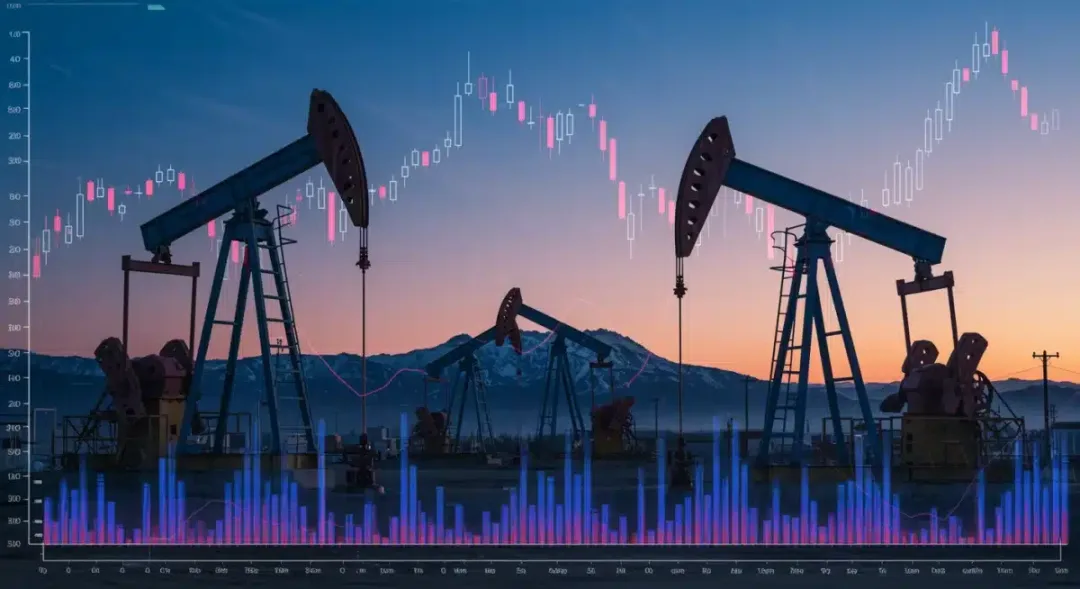
As the energy landscape shifts, our latest report explores how Global Oil Prices are set to redefine Canada’s financial trajectory in 2026. With experts predicting a 10% swing, understanding these market forces is no longer optional, it’s essential for your bottom line.
This anticipated volatility in crude benchmarks could send ripples through every province, affecting everything from corporate investment to local employment. As a primary exporter, the nation’s fiscal health remains tightly tethered to the pulse of international energy trade and supply dynamics.
Whether the movement favors a surplus or a squeeze, these forecasted fluctuations will directly influence your household purchasing power and strategic business planning. Dive into our analysis to navigate the complex economic currents that will shape the year ahead.
Understanding the Global Oil Price Landscape
The global oil market is a complex web of supply, demand, and geopolitical factors, all contributing to its inherent volatility. Canada, as a major player in this market, is highly susceptible to these external forces, which directly influence its economic stability.
Understanding the drivers behind these price fluctuations is the first step in comprehending their impact.
Current analysis indicates that factors such as OPEC+ production decisions, geopolitical tensions in key oil-producing regions, and the pace of global economic recovery will be pivotal in 2026.
These elements collectively dictate the trajectory of crude oil benchmarks, which in turn affect the Canadian economy. The projected 10% fluctuation is a direct reflection of these uncertainties.
For Canadians, this means a continuous need to monitor international developments and their potential domestic consequences.
The interconnectedness of the global economy ensures that events far from home can have immediate and tangible effects on local prices and economic opportunities. This underscores the significance of the impact of Global Oil Prices on Canadian Economy.
Direct Economic Impacts on Canada’s Energy Sector
Canada’s energy sector, particularly in provinces like Alberta, Saskatchewan, and Newfoundland and Labrador, directly bears the brunt of global oil price movements.
A 10% fluctuation can significantly alter investment flows, operating margins, and employment rates within these regions. This direct impact then cascades through the national economy.
When oil prices rise, there is often a surge in investment in exploration and production, leading to job creation and increased provincial revenues.
Conversely, a decline can result in project deferrals, layoffs, and reduced government coffers, affecting public services and infrastructure. The cyclical nature of these impacts presents ongoing challenges for policy makers.
The impact of Global Oil Prices on Canadian Economy specifically highlights these vulnerabilities and opportunities.
Companies within the energy sector are already strategizing to mitigate risks and capitalize on potential upturns, emphasizing efficiency and diversification. This proactive approach is crucial for maintaining stability.
Investment and Employment Trends
Investment in Canada’s oil and gas sector is highly sensitive to price signals. A sustained period of higher prices could attract significant capital, spurring new projects and expanding existing operations.
This would translate into increased demand for skilled labour and a boost to local economies.
Conversely, lower prices often lead to a contraction in capital expenditure, as companies prioritize cost-cutting and debt reduction. This can result in job losses and a slowdown in economic activity in oil-producing regions.
The 10% fluctuation forecast means both scenarios are distinctly possible.
- Higher prices could stimulate new drilling and pipeline projects.
- Lower prices might lead to reduced exploration budgets and workforce adjustments.
- Technological advancements are helping companies maintain viability across price ranges.
Provincial Revenue Implications
Provincial governments in oil-producing regions rely heavily on royalties and taxes from the energy sector. A 10% fluctuation in global oil prices directly impacts these revenue streams, influencing budget allocations for public services.
Fiscal planning becomes a complex balancing act under such volatile conditions.
Increases in oil prices can provide unexpected windfalls, allowing for investments in infrastructure, healthcare, or education. Declines, however, necessitate budget cuts or increased borrowing, creating fiscal pressures.
This volatility underscores the need for diverse revenue sources.
The impact of Global Oil Prices on Canadian Economy assists provincial governments in scenario planning. Understanding potential revenue shifts allows for better anticipation and adjustment of fiscal policies. This forward-looking approach is vital for economic resilience.
Broader Economic Ripple Effects Across Canada
Beyond the direct impacts on the energy sector, global oil price fluctuations send ripple effects throughout the entire Canadian economy.
These indirect consequences touch various industries, consumer behaviour, and the overall national economic outlook. No province remains entirely isolated from these shifts.
Transportation costs, manufacturing inputs, and even the value of the Canadian dollar are all influenced by oil prices. A significant change can alter inflation rates, interest rate policies, and the competitiveness of Canadian exports.
Consumers may see changes in gasoline prices, heating costs, and the general price of goods, impacting their purchasing power.
Businesses, particularly those reliant on transportation or energy-intensive processes, will face fluctuating operational costs. The interconnectedness of these factors makes comprehensive analysis essential.
Impact on Inflation and Consumer Spending
Changes in global oil prices are a significant driver of inflation in Canada, primarily through their effect on transportation and energy costs.
A 10% fluctuation can translate into noticeable shifts in the Consumer Price Index (CPI), affecting the cost of living for all Canadians. This directly impacts household budgets and purchasing decisions.
When oil prices rise, gasoline and heating costs increase, reducing discretionary income for consumers. This can lead to decreased spending on other goods and services, potentially slowing economic growth.
Conversely, lower oil prices can act as a stimulus, freeing up consumer funds.
The Impact of Global Oil Prices on Canadian Economy emphasizes the need for consumers to be aware of these potential cost variations.
Budgeting with flexibility and understanding the link between oil prices and everyday expenses can help mitigate adverse impacts. Financial literacy plays a crucial role here.
Canadian Dollar and Trade Balance
The Canadian dollar is often referred to as a ‘petro-currency’ due to its strong correlation with global oil prices. A 10% fluctuation in oil prices is likely to cause a corresponding movement in the value of the loonie against other major currencies.
This has significant implications for Canada’s trade balance and import/export costs.
Higher oil prices typically strengthen the Canadian dollar, making imports cheaper but Canadian exports more expensive.
Lower prices tend to weaken the dollar, making exports more competitive but imports costlier. These currency movements affect businesses engaged in international trade.
The report underscores that businesses should factor these currency fluctuations into their financial planning for 2026. Hedging strategies and diversified market approaches can help manage the risks associated with a volatile Canadian dollar.
Government Policy Responses and Fiscal Strategies
In anticipation of the projected 10% fluctuation in global oil prices, the Canadian government and provincial administrations are likely to implement various policy responses.
These strategies aim to stabilize the economy, support affected sectors, and ensure fiscal responsibility. Proactive measures are key to mitigating negative impacts.
These responses might include adjustments to taxation, investment in diversification initiatives, and support programs for workers and businesses in vulnerable regions.
The goal is to build resilience within the Canadian economy, reducing its susceptibility to external shocks. This forward-thinking approach is critical.
The impact of Global Oil Prices on Canadian Economy serves as a foundational document for these policy discussions.
It provides the data and analysis necessary for informed decision-making at both federal and provincial levels. Collaboration across different levels of government will be essential.
Diversification and Green Energy Investments
A key strategy for reducing Canada’s reliance on oil price volatility is economic diversification, particularly through investments in green energy.
Governments are increasingly channeling funds into renewable energy projects, clean technology, and other non-resource sectors. This long-term vision aims to create new economic opportunities and stabilize employment.
These investments not only mitigate the risks associated with fossil fuel markets but also align with global climate goals. Developing a robust green economy can position Canada as a leader in sustainable development.
This shift is a strategic imperative for long-term prosperity.
The impact of Global Oil Prices on Canadian Economy implicitly supports this push for diversification. By highlighting the vulnerabilities of a resource-dependent economy, it reinforces the need for alternative growth engines.
Green energy represents a significant avenue for future economic stability.
Fiscal Policy Adjustments and Reserve Funds
Governments may utilize fiscal policy adjustments, such as tax incentives or spending cuts, to manage the economic fallout from oil price fluctuations.
Provinces like Alberta often maintain stabilization funds or ‘heritage funds’ designed to buffer against revenue volatility. These reserves become crucial during periods of decline.
Strategic use of these funds can prevent drastic cuts to public services and maintain investor confidence. Conversely, during periods of high oil prices, governments may choose to replenish these reserves or pay down debt. Prudent fiscal management is paramount.
The impact of Global Oil Prices on Canadian Economy provides a basis for evaluating the adequacy of existing fiscal tools. It helps assess whether current policies are sufficient to withstand a 10% price swing without causing undue economic distress.
Effective fiscal policy is a cornerstone of economic resilience.
Expert Forecasts and Analytical Models
The impact of Global Oil Prices on Canadian Economy draws heavily on sophisticated analytical models and expert consensus.
These forecasts are not mere predictions but are built upon extensive data analysis, econometric modeling, and informed judgment from leading economists. Their insights are critical for anticipating future scenarios.
These experts consider a multitude of variables, including global demand projections, supply-side constraints, technological advancements, and geopolitical stability.
The 10% fluctuation figure is a reflection of the range of plausible outcomes derived from these complex models. It represents a reasonable band of expected volatility.
The report emphasizes that while forecasts provide valuable guidance, they are subject to change based on unforeseen events.
Therefore, continuous monitoring and adaptive strategies are essential for both public and private sectors. The strength of the report lies in its comprehensive, evidence-based approach to the Canadian economy.
Methodology Behind the 10% Fluctuation
The 10% fluctuation forecast is derived from a combination of quantitative and qualitative analyses.
Quantitative models, such as time-series analysis and econometric regressions, are used to identify historical patterns and correlations between oil prices and economic indicators. These models project future price movements based on various inputs.
Qualitative analysis involves expert opinions, geopolitical assessments, and scenario planning. This helps account for unpredictable events that quantitative models might miss. The integration of both approaches provides a more robust and nuanced forecast for the Canadian economy.
The impact of Global Oil Prices on Canadian Economy ensures transparency in its methodology.
This allows stakeholders to understand the assumptions and limitations behind the predictions, fostering greater trust and utility in the report’s findings. A clear methodology is fundamental for credibility.
Preparing for Economic Volatility: Advice for Canadians
Given the projected 10% fluctuation in global oil prices, Canadians are encouraged to review their personal finances and business strategies. Proactive preparation can help mitigate potential negative impacts and capitalize on opportunities.
Financial resilience is key in a volatile economic climate.
For individuals, this could involve building emergency savings, reviewing investment portfolios, and managing debt effectively. For businesses, it means stress-testing financial models, diversifying customer bases, and exploring cost-saving measures.
Adaptability will be a valuable asset in 2026.
The impact of Global Oil Prices on Canadian Economy offers an important call to action. It empowers Canadians with the knowledge needed to make informed decisions and safeguard their financial well-being. Being prepared is always better than reacting in crisis.
Personal Financial Planning Strategies
Individual Canadians should consider several strategies to prepare for potential economic shifts. Building a robust emergency fund equivalent to three to six months of living expenses is a primary recommendation.
This provides a buffer against unexpected job losses or increased living costs due to fluctuating oil prices.
Reviewing and diversifying investment portfolios can also help. Reducing exposure to overly oil-dependent sectors and exploring growth opportunities in other industries can mitigate risk.
Consulting with a financial advisor can provide personalized guidance tailored to individual circumstances.
- Build a solid emergency fund.
- Diversify investment portfolios beyond energy stocks.
- Monitor personal debt levels and aim for reduction.
Business Resilience and Adaptation
Canadian businesses, especially those in or linked to the energy sector, must focus on resilience and adaptation. This includes stress-testing their balance sheets against various oil price scenarios, including the 10% fluctuation.
Exploring new markets and revenue streams can reduce reliance on a single commodity.
Implementing energy-efficient practices can help control operational costs, regardless of energy price movements. Investing in technology and innovation can also boost competitiveness and open new avenues for growth.
Employee training and retention strategies are also vital during periods of economic uncertainty.
The impact of Global Oil Prices on Canadian Economy highlights the need for businesses to be agile. Those that can quickly adapt to changing market conditions will be better positioned to thrive. Proactive planning is a hallmark of successful businesses.
Global Context and International Comparisons
Canada’s economic outlook in 2026, especially concerning oil prices, is not isolated but part of a larger global narrative. Comparing Canada’s situation with other oil-producing nations and major economies provides valuable context.
This international perspective helps to understand the unique challenges and opportunities Canada faces.
Nations like Norway, Saudi Arabia, and the United States, also significant oil producers, employ different economic models and diversification strategies.
Analyzing their approaches can offer lessons and insights for Canada’s long-term economic planning. Global trends in energy transition also play a crucial role.
The impact of Global Oil Prices on Canadian Economy implicitly encourages this comparative analysis. Understanding how other countries manage oil price volatility can inform Canadian policy and business strategies. International collaboration and shared learning are increasingly important.
| Key Economic Aspect | Impact of 10% Oil Price Fluctuation |
|---|---|
| Energy Sector Revenue | Directly impacts provincial royalties and corporate profits, leading to investment shifts. |
| Inflation and Consumer Costs | Influences gasoline, heating, and goods prices, affecting household purchasing power. |
| Canadian Dollar (CAD) Value | Strong correlation; higher prices strengthen CAD, lower prices weaken it, impacting trade. |
| Government Fiscal Stability | Affects provincial budgets and the capacity for public spending or debt management. |
Frequently Asked Questions About Canada’s Oil Price Impact
How will global oil price fluctuations affect my daily expenses in Canada?▼A 10% fluctuation in global oil prices can directly impact your daily expenses through changes in gasoline prices, heating costs, and the cost of goods due to transportation. Higher prices mean increased costs, while lower prices could offer some relief to your budget.
Which Canadian provinces are most vulnerable to oil price changes?▼Provinces heavily reliant on oil and gas production, such as Alberta, Saskatchewan, and Newfoundland and Labrador, are typically the most vulnerable. Their economies and provincial revenues are closely tied to the commodity’s value.
What proactive steps can Canadian businesses take to prepare?▼Businesses can prepare by diversifying revenue streams, implementing energy-efficient practices, stress-testing financial models against price swings, and exploring new markets. Adaptability and strategic planning are crucial for resilience against volatility.
How does the Canadian government plan to mitigate these impacts?▼The government aims to mitigate impacts through economic diversification, investments in green energy, and fiscal policy adjustments. They also utilize stabilization funds to buffer against revenue shortfalls and support affected sectors and workers.
Is the Canadian dollar directly affected by global oil prices?▼Yes, the Canadian dollar is often considered a ‘petro-currency’ and tends to move in tandem with global oil prices. A 10% fluctuation can lead to corresponding shifts in its value, affecting imports, exports, and international trade.
Looking Ahead: Navigating Canada’s Economic Future
The impact of Global Oil Prices on Canadian Economy is more than just a snapshot; it’s a guide for navigating the complex economic landscape ahead. It highlights the inherent volatility of global oil markets and its profound implications for the Canadian economy.
The report underscores the need for continuous vigilance and proactive strategies from all stakeholders.
For individuals, businesses, and governments, the message is clear: adaptability and informed decision-making will be paramount. Investing in diversification, fostering financial resilience, and maintaining flexible fiscal policies are not merely options but necessities.
Canada’s path forward will be shaped by how effectively it responds to these anticipated shifts in the global energy paradigm.
As 2026 approaches, monitoring geopolitical developments, global energy demand, and domestic policy responses will be critical.
The insights from this report provide a robust framework for understanding these dynamics and preparing for a future where global oil prices continue to play a significant role in the Canadian economy. The collective response will define Canada’s economic trajectory.