HATC 2026: Claim Up to $10,000 for Home Accessibility Renovations
Advertisements
The Home Accessibility Tax Credit (HATC) 2026: Claim Up to $10,000 for Renovations to Improve Mobility offers significant financial relief for eligible Canadians. This credit specifically targets home modifications that enhance safety and accessibility for seniors and individuals with disabilities. Understanding the updated criteria and application process is essential for maximizing this valuable benefit.
Recent government updates confirm the continued availability and scope of the Home Accessibility Tax Credit (HATC) 2026: Claim Up to $10,000 for Renovations to Improve Mobility. These changes underscore Canada’s commitment to supporting independent living and improving quality of life through accessible home environments. Staying informed about these provisions is key for taxpayers.
This article provides a comprehensive overview of the Home Accessibility Tax Credit (HATC) 2026: Claim Up to $10,000 for Renovations to Improve Mobility, detailing who qualifies, what expenses are eligible, and how to navigate the claims process. Our aim is to equip readers with the factual and up-to-date information needed to leverage this important financial opportunity effectively.
The Home Accessibility Tax Credit (HATC) 2026: Claim Up to $10,000 for Renovations to Improve Mobility continues to be a pivotal federal initiative aimed at supporting Canadians who need to adapt their homes. This non-refundable tax credit allows eligible individuals to claim up to $10,000 for qualifying renovations, providing much-needed financial assistance. As we approach the 2026 tax year, understanding the nuances of this credit is more important than ever for those planning home modifications to enhance safety and accessibility.
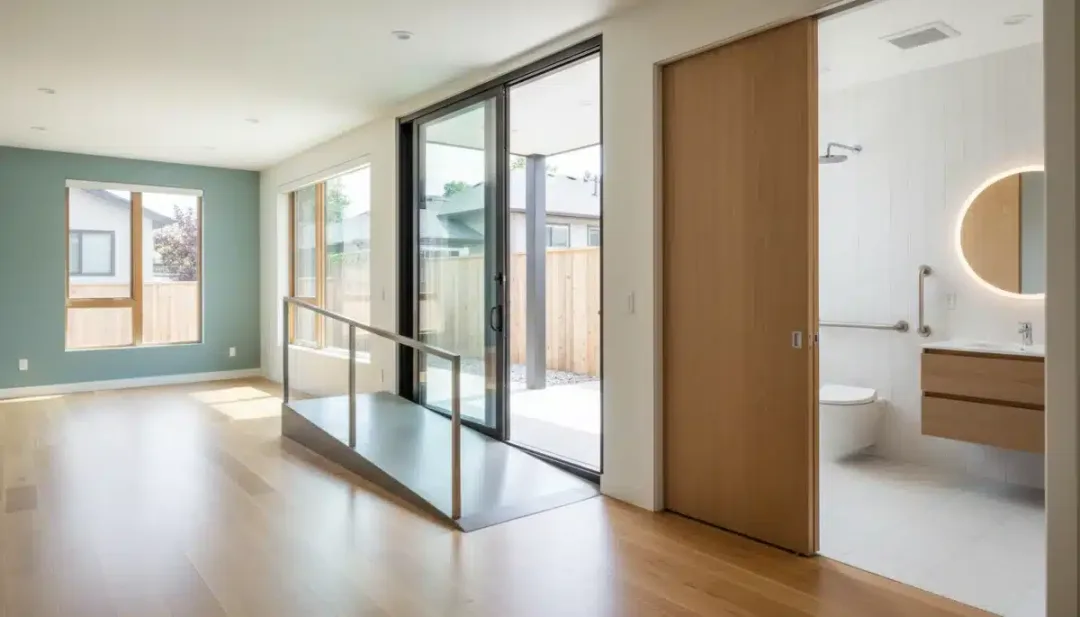
This credit specifically targets renovations that allow seniors and individuals eligible for the disability tax credit to live more independently and safely in their homes. From installing grab bars to building ramps, the scope of eligible expenses is broad, reflecting a comprehensive approach to home accessibility. The goal is to reduce financial barriers to creating safer and more functional living spaces.
Navigating tax credits can often be complex, but with clear guidance, Canadians can confidently apply for the HATC. This article delves into the specifics, offering a detailed look at who qualifies, what types of renovations are covered, and the steps involved in making a successful claim. Our objective is to empower you with the knowledge to benefit fully from this important program.
Understanding the Home Accessibility Tax Credit (HATC) 2026
The Home Accessibility Tax Credit (HATC) 2026: Claim Up to $10,000 for Renovations to Improve Mobility is designed to alleviate the financial burden associated with making homes more accessible. This credit is crucial for families and individuals facing the challenges of aging or living with disabilities, directly impacting their ability to maintain independence and quality of life.
For the 2026 tax year, the HATC remains a non-refundable credit, meaning it can reduce your federal tax payable to zero but will not result in a refund if the credit amount exceeds your taxes. The maximum eligible expense amount is set at $10,000 per qualifying individual per year, offering a substantial incentive for necessary home modifications.
This credit is a testament to the Canadian government’s ongoing commitment to fostering inclusive communities where everyone can thrive. By providing financial support for accessibility renovations, the HATC helps ensure that more Canadians can age in place or live comfortably, safely, and independently in their own homes.
Who Qualifies for the HATC?
Eligibility for the Home Accessibility Tax Credit (HATC) 2026: Claim Up to $10,000 for Renovations to Improve Mobility primarily focuses on two groups: seniors and individuals eligible for the disability tax credit. A senior is defined as an individual who is 65 years of age or older at the end of the tax year when the renovation is completed.
For individuals with disabilities, they must be eligible for the disability tax credit for the year the renovation expenses are incurred. This ensures that the credit is directed towards those with documented needs for accessibility improvements. The individual for whom the renovation is made must ordinarily reside in the qualifying home, or be expected to ordinarily reside there, within the tax year.
The qualifying individual can be the person making the renovation or an eligible individual supporting them, such as a spouse, common-law partner, or certain relatives. It is essential to confirm the qualifying individual’s status before proceeding with renovations to ensure eligibility for the HATC.
Eligible Renovation Expenses
The types of renovations covered by the Home Accessibility Tax Credit (HATC) 2026: Claim Up to $10,000 for Renovations to Improve Mobility are specifically those that improve accessibility or reduce the risk of harm within a qualifying home. These modifications must be permanent in nature and integral to the home.
- Installing grab bars, handrails, and other aids to assist with mobility and balance.
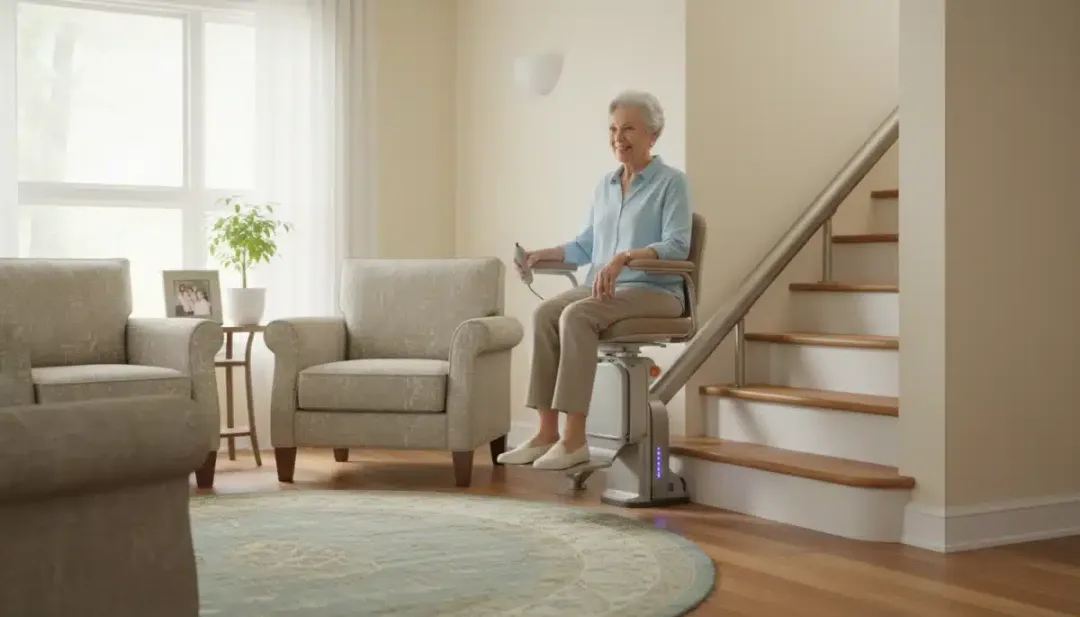
- Building ramps, stairlifts, and elevators to facilitate easier movement between levels.
- Widening doorways and hallways to accommodate wheelchairs and other mobility devices.
- Lowering existing counters or cupboards, or installing adjustable ones, for easier access.
Expenses for services performed by professionals, such as electricians, plumbers, and carpenters, are also eligible if they relate directly to the qualifying renovation. However, expenses for general maintenance, household appliances, or those that increase the value of the home without improving accessibility are generally not covered.
Maximizing Your HATC Claim: Key Strategies
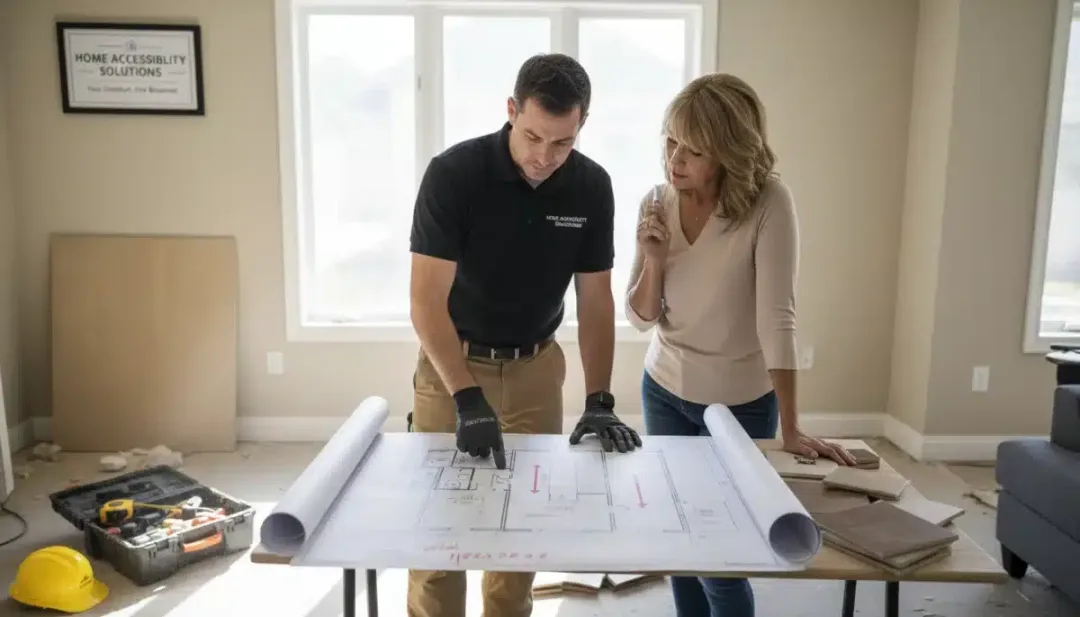
To fully benefit from the Home Accessibility Tax Credit (HATC) 2026: Claim Up to $10,000 for Renovations to Improve Mobility, careful planning and meticulous record-keeping are paramount. Understanding the nuances of what constitutes an eligible expense and how to properly document these costs can significantly impact the success of your claim.
It’s advisable to consult with a tax professional or the Canada Revenue Agency (CRA) directly if there are any uncertainties regarding specific renovation projects. Proactive engagement ensures that all expenditures align with HATC guidelines, preventing potential issues during the tax filing process.
Strategic timing of renovations and a clear understanding of the maximum claim limits can also help optimize the financial advantages offered by this credit. By following best practices, Canadians can effectively leverage the HATC to create safer and more accessible living environments.
Documentation Requirements for HATC
Accurate and thorough documentation is critical when claiming the Home Accessibility Tax Credit (HATC) 2026: Claim Up to $10,000 for Renovations to Improve Mobility. The CRA requires specific records to substantiate your claims, and failing to provide these can lead to delays or rejection of your credit.
You must retain all receipts and invoices for materials and labour related to the renovation project. These documents should clearly detail the nature of the work performed, the costs incurred, and the date of completion. It is also beneficial to keep contracts with contractors and any permits obtained for the work.
In cases where the renovation was performed for an individual eligible for the disability tax credit, it is important to have proof of their eligibility. This might include the official notice from the CRA confirming their disability tax credit eligibility. Maintaining organized records will streamline the tax filing process.
Common Pitfalls to Avoid
While the Home Accessibility Tax Credit (HATC) 2026: Claim Up to $10,000 for Renovations to Improve Mobility offers significant benefits, there are common mistakes that taxpayers should avoid. One frequent error is claiming expenses that are not directly related to improving accessibility or reducing harm.
Another pitfall is failing to keep adequate records. Without proper invoices and receipts, the CRA may disallow the claim, even if the renovations were legitimately for accessibility purposes. Ensure all documentation is clear, legible, and directly linked to the eligible expenses.
Finally, some taxpayers incorrectly assume that all home improvements qualify. It is crucial to distinguish between general home renovations and those specifically designed to enhance mobility or safety for a qualifying individual. Always verify eligibility of expenses before undertaking major projects.
Impact of HATC on Canadian Households
The Home Accessibility Tax Credit (HATC) 2026: Claim Up to $10,000 for Renovations to Improve Mobility has a profound impact on Canadian households, particularly for seniors and individuals with disabilities. This financial support enables many to remain in their homes, fostering greater independence and reducing the need for institutional care.
By easing the financial burden of necessary renovations, the HATC contributes to an improved quality of life and enhanced well-being for vulnerable populations. It aligns with broader societal goals of promoting inclusive living environments and supporting individuals to age in place with dignity.
Beyond the direct financial relief, the credit also stimulates the home renovation industry, creating jobs and economic activity. This dual benefit underscores the HATC’s importance as both a social support mechanism and an economic driver within Canadian communities.
Long-Term Benefits of Accessibility Renovations
Investing in home accessibility renovations, supported by the Home Accessibility Tax Credit (HATC) 2026: Claim Up to $10,000 for Renovations to Improve Mobility, yields significant long-term benefits. These improvements often extend the period during which individuals can safely and comfortably reside in their own homes, delaying or even preventing moves to assisted living facilities.
Enhanced accessibility can also lead to a reduction in accidents and injuries within the home, particularly for seniors. This not only improves personal safety but can also decrease healthcare costs associated with falls and other home-related incidents. The peace of mind for both the individual and their caregivers is invaluable.
Furthermore, an accessible home can increase its market value and appeal to a broader demographic, should the need arise to sell in the future. As Canada’s population ages, the demand for accessible housing is projected to grow, making such renovations a prudent investment in multiple respects.
Connecting HATC with Other Benefits
The Home Accessibility Tax Credit (HATC) 2026: Claim Up to $10,000 for Renovations to Improve Mobility can often be combined with other federal or provincial programs designed to support seniors and individuals with disabilities. Understanding these synergistic opportunities can further maximize financial relief.
For instance, some provinces offer their own home accessibility grants or tax credits, which could potentially be claimed in conjunction with the federal HATC. It is crucial to research and understand the specific eligibility requirements and interaction rules for each program to ensure compliance and avoid double-claiming where prohibited.
Additionally, individuals eligible for the disability tax credit may also qualify for other related benefits, such as the registered disability savings plan (RDSP) or the disability amount. A holistic approach to financial planning, considering all available credits and benefits, can significantly improve the overall financial health and well-being of qualifying individuals and their families.
The Future of Home Accessibility Support
As Canada’s demographic landscape continues to shift, with an aging population and a growing focus on inclusive living, the Home Accessibility Tax Credit (HATC) 2026: Claim Up to $10,000 for Renovations to Improve Mobility is expected to remain a cornerstone of federal support. Discussions around expanding its scope or increasing the maximum claim amount are ongoing, reflecting evolving needs.
Government initiatives are increasingly prioritizing policies that enable Canadians to live independently and with dignity, and the HATC perfectly aligns with these objectives. Future adjustments to the credit could include broader definitions of eligible expenses or simplified application processes, making it even more accessible to those who need it most.
Monitoring official announcements from the Canada Revenue Agency and the Department of Finance will be essential for staying informed about any potential changes to the HATC. These updates will shape how Canadians can continue to leverage this vital program for years to come.
Advocacy and Policy Developments
Advocacy groups and organizations representing seniors and individuals with disabilities play a crucial role in shaping the future of programs like the Home Accessibility Tax Credit (HATC) 2026: Claim Up to $10,000 for Renovations to Improve Mobility. Their ongoing efforts to highlight the needs of their communities often lead to policy refinements and enhancements.
These groups frequently engage with policymakers to propose improvements to existing tax credits and benefits, ensuring they remain relevant and impactful. Their input helps to identify gaps in current support systems and advocate for more comprehensive solutions that address the real-world challenges faced by Canadians.
As a result, future iterations of the HATC may reflect these advocacy efforts, potentially leading to more generous provisions, expanded eligibility, or streamlined administrative processes. Staying connected with these organizations can provide valuable insights into upcoming policy changes and opportunities.
Claiming the HATC: Step-by-Step Guide for 2026
Claiming the Home Accessibility Tax Credit (HATC) 2026: Claim Up to $10,000 for Renovations to Improve Mobility involves a straightforward process, provided you have all the necessary documentation and meet the eligibility criteria. This guide outlines the key steps to ensure a smooth and successful claim during tax season.
The first step is to ensure that both the individual for whom the renovation was made and the renovation itself meet the CRA’s definitions. This includes verifying the age of the senior or the disability tax credit eligibility of the individual with a disability, and confirming the renovation’s purpose is to improve accessibility or reduce harm.
Once eligibility is confirmed and all documentation is gathered, the credit can be claimed on your annual income tax return. This involves reporting the eligible expenses on the appropriate line of your T1 Income Tax and Benefit Return, typically Schedule 1, Federal Tax.
Preparing Your Tax Return with HATC
When preparing your 2026 tax return to claim the Home Accessibility Tax Credit (HATC) 2026: Claim Up to $10,000 for Renovations to Improve Mobility, you will need to enter the total eligible expenses for the year. This amount, up to a maximum of $10,000, will be used to calculate the non-refundable tax credit.
The credit is calculated by multiplying the lowest federal income tax rate (currently 15%) by the eligible expenses. For example, if you claim the maximum $10,000, the credit would be $1,500. This amount directly reduces your federal tax payable.
It is crucial to keep all supporting documents for at least six years, as the CRA may request them for review. Even if you use tax software, ensure you understand where to input the HATC claim to prevent errors and maximize your eligible benefit.
Navigating CRA Resources and Assistance
The Canada Revenue Agency (CRA) provides a wealth of resources to help taxpayers understand and claim credits like the Home Accessibility Tax Credit (HATC) 2026: Claim Up to $10,000 for Renovations to Improve Mobility. Utilizing these official resources can clarify any ambiguities and ensure compliance with tax regulations.
The CRA website is an invaluable source of information, offering detailed guides, forms, and FAQs specifically related to the HATC. These resources are regularly updated to reflect the latest tax laws and policies, providing accurate and authoritative guidance.
For more personalized assistance, taxpayers can contact the CRA directly by phone or through their online services. Tax professionals, such as accountants or tax preparers, can also offer expert advice and help with the complex aspects of claiming the HATC, ensuring all eligible benefits are realized.
Professional Advice and Support
While the information provided for the Home Accessibility Tax Credit (HATC) 2026: Claim Up to $10,000 for Renovations to Improve Mobility is comprehensive, some situations may warrant professional advice. A qualified tax professional can offer tailored guidance based on your specific circumstances.
They can assist with complex eligibility questions, help identify all eligible expenses, and ensure that your claim is accurately prepared and submitted. This is particularly beneficial for individuals with intricate financial situations or those undertaking extensive renovation projects.
Engaging a professional can provide peace of mind, knowing that your HATC claim is handled correctly and that you are maximizing your tax benefits. They can also advise on how the HATC interacts with other tax credits and deductions, optimizing your overall financial strategy.
| Key Aspect | Description |
|---|---|
| Credit Amount | Up to $10,000 in eligible expenses per year per qualifying individual. |
| Eligibility | Seniors (65+) or individuals eligible for the Disability Tax Credit. |
| Eligible Renovations | Permanent modifications improving mobility or reducing harm (e.g., ramps, grab bars). |
| Documentation | Retain all receipts, invoices, and proof of disability tax credit eligibility. |
Frequently Asked Questions About HATC 2026
What is the maximum claimable amount for the Home Accessibility Tax Credit (HATC) 2026?▼For the Home Accessibility Tax Credit (HATC) 2026, eligible individuals can claim up to $10,000 in qualifying renovation expenses per year. This translates to a non-refundable tax credit of up to $1,500, calculated at the lowest federal income tax rate of 15%.
Who is considered a qualifying individual for the HATC?▼A qualifying individual for the HATC is either a senior aged 65 or older at the end of the tax year, or someone eligible for the disability tax credit for that same year. The renovation must be for their qualifying home of residence.
Are all home renovations eligible for the Home Accessibility Tax Credit (HATC) 2026?▼No, only renovations that are permanent in nature and specifically improve accessibility or reduce the risk of harm for a qualifying individual are eligible. General maintenance, new appliances, or aesthetic upgrades typically do not qualify for the Home Accessibility Tax Credit (HATC) 2026.
What documents do I need to claim the HATC?▼You must keep all receipts and invoices for materials and labour, contracts with contractors, and any permits. If applicable, proof of eligibility for the disability tax credit is also essential. These documents must be retained for at least six years.
Can the Home Accessibility Tax Credit (HATC) 2026 be combined with other credits?▼Yes, the Home Accessibility Tax Credit (HATC) 2026 can often be combined with other federal or provincial programs, though it’s vital to check specific program rules to avoid double-claiming. Consulting a tax professional is recommended to optimize your overall tax benefits effectively.
Perspectives
The Home Accessibility Tax Credit (HATC) 2026: Claim Up to $10,000 for Renovations to Improve Mobility continues to play a vital role in supporting Canadians. What this teaches us is the ongoing commitment to fostering independent living and addressing the specific needs of an aging population and individuals with disabilities. It underscores the importance of proactive financial planning and awareness of available government supports.
As we look ahead, the HATC serves as a model for future policies emphasizing inclusivity and quality of life within Canadian households. Continued advocacy and public awareness will be crucial in ensuring that this credit remains effective and responsive to evolving societal needs.
For Canadians, the key takeaway is to stay informed, meticulously document expenses, and seek professional advice when needed to fully leverage the benefits offered by the HATC. This strategic approach ensures that eligible individuals can continue to make their homes safer and more accessible.