Exploring Veteran Benefits in 2026: A Comprehensive Guide to Financial Assistance and Support Programs
Advertisements

Are you fully aware of the updated financial safety nets available to you and your family this year? Navigating the latest rollout of Veteran Benefits 2026 is essential for securing the maximum government funding and transition support you earned during your service.
Recent updates from Veterans Affairs Canada have introduced modernized digital platforms to streamline income tracking and speed up disability claims.
From enhanced vocational rehabilitation support to updated medical allocation rates, these structural changes are designed to minimize administrative delays and optimize your household budget.
Staying informed on these shifting policy guidelines ensures you do not leave critical financial aid on the table. Let’s break down the latest departmental updates, explore verified support pathways, and outline exactly how to secure your updated compensation packages.
Understanding the Landscape of Veteran Benefits in 2026
As 2026 approaches, Canadian veterans and their families are looking for clarity on available support. The federal government continues to refine its offerings, aiming to address the evolving needs of those who have served.
These benefits encompass a wide range of services, from financial aid to health care and social programs. Staying informed about these changes is crucial for maximizing the assistance available.
The commitment to supporting veterans remains a national priority, with ongoing efforts to streamline access and enhance the effectiveness of these vital programs.
Key Financial Assistance Programs for Veterans
Financial stability is a cornerstone of veteran well-being, and several programs are designed to provide direct monetary support. These initiatives help cover daily expenses, manage debt, and plan for future security.
Veterans Affairs Canada regularly reviews these programs to ensure they remain relevant and adequately support the economic realities faced by veterans today. Understanding the eligibility criteria is the first step towards accessing these funds.
This section delves into the specifics of various financial aid options, offering a clear picture of what veterans can expect in 2026.
Disability Benefits and Compensation
Disability benefits are a primary form of financial support for veterans whose service has resulted in an injury or illness. These benefits provide compensation for both physical and psychological conditions, acknowledging the sacrifices made.
The application process requires thorough documentation and medical assessments. It is essential for veterans to gather all relevant records to support their claims effectively.
- Pension Act Disability Benefits: For injuries/illnesses prior to April 1, 2006.
- Pain and Suffering Compensation: For injuries/illnesses on or after April 1, 2006.
- Additional Compensation for Exceptional Incapacity: For severe disability impacts.
Income Replacement Benefits
For veterans who experience a loss of income due to service-related conditions, income replacement benefits offer a crucial safety net. These ensure that veterans and their families maintain a reasonable standard of living.
These benefits are particularly important for those unable to work or who face reduced earning capacity. They provide a predictable income stream, easing financial stress.
- Earnings Loss Benefit: Replaces lost income due to service-related health problems.
- Supplementary Retirement Benefit: Provides a lump-sum payment at age 65 if receiving Earnings Loss.
Health and Well-being Support Systems
Beyond financial aid, comprehensive health and well-being programs are vital for veterans’ successful transition to civilian life. These programs address physical, mental, and social needs, promoting overall health.
VAC’s health services are extensive, covering everything from medical treatments to psychological counselling and rehabilitation. Access to quality care is a top priority for the department.
In 2026, an emphasis on holistic care and preventative measures is expected to continue, reflecting a deeper understanding of veteran health challenges. Exploring Veteran Benefits 2026 highlights these critical services.
Mental Health Services and Support
Mental health support is a cornerstone of veteran care, recognizing the profound impact of service on psychological well-being. Programs are designed to address PTSD, anxiety, depression, and other mental health conditions.
Access to specialized therapists, peer support networks, and innovative treatment options is continuously being expanded. Early intervention and ongoing support are key to positive outcomes.
- Operational Stress Injury (OSI) Clinics: Specialized treatment for service-related mental health conditions.
- Veterans Affairs Canada (VAC) Assistance Service: 24/7 confidential counselling.
- Peer Support Programs: Connecting veterans with shared experiences for mutual support.
Medical and Dental Care Benefits
Veterans are entitled to comprehensive medical and dental care benefits, ensuring access to necessary treatments and services. These benefits help alleviate the financial burden of healthcare costs.
The scope of coverage includes prescription medications, specialized medical equipment, and various therapeutic services. Regular updates ensure these benefits align with modern healthcare practices.
Understanding the specific coverage details and how to access approved providers is essential for utilizing these benefits effectively. Exploring Veteran Benefits 2026 and Support Programs outlines these options.
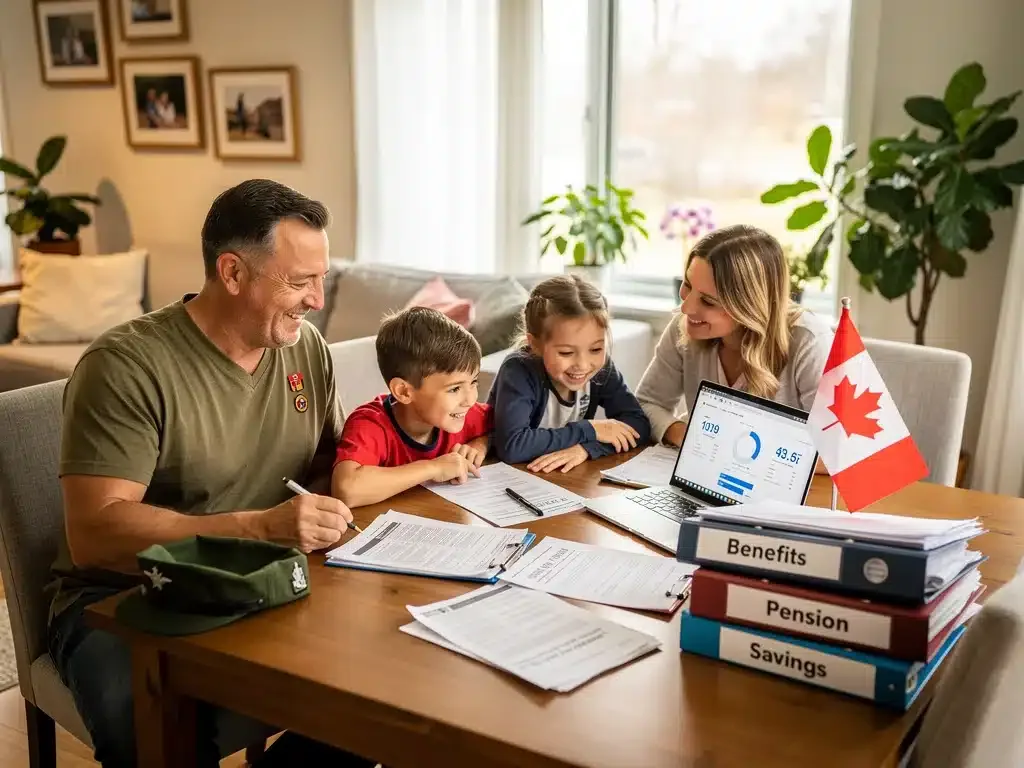
Education, Employment, and Reintegration Programs
Supporting veterans in their transition to civilian careers and education is critical for long-term success. Various programs offer training, educational funding, and employment assistance.
These initiatives aim to leverage veterans’ valuable skills and experiences, helping them find meaningful employment. Reintegration is not just about jobs; it’s about building a new purpose and community connection.
The focus for 2026 remains on personalized support, recognizing that each veteran’s journey is unique. Exploring Veteran Benefits 2026 and Support Programs details these opportunities.
Education and Training Benefits
For veterans seeking to further their education or acquire new skills, several programs provide financial assistance and guidance. These benefits open doors to new career paths and personal growth.
Whether it’s post-secondary education, vocational training, or professional development courses, support is available. The goal is to enhance employability and career prospects.
- Education and Training Benefit: Financial support for tuition, books, and living expenses.
- Career Transition Services: Coaching and resources for career planning and job search.
Employment and Entrepreneurship Support
Finding suitable employment or starting a business can be challenging, and veterans have dedicated resources to assist them. These programs connect veterans with employers and provide entrepreneurial guidance.
Initiatives include job placement services, resume writing workshops, and mentorship opportunities. Support for veteran entrepreneurs helps foster economic independence.
The network of support extends across various sectors, ensuring veterans can find opportunities that match their skills and aspirations. Exploring Veteran Benefits 2026 includes these vital programs.
Family and Caregiver Support
The well-being of veterans is intrinsically linked to the support of their families and caregivers. Programs are in place to recognize their contributions and provide them with necessary resources.
These supports range from financial aid for caregivers to counselling services for family members. A holistic approach acknowledges the entire family unit’s role in a veteran’s recovery and adaptation.
In 2026, there is a continued emphasis on strengthening these family-centric programs, understanding that a strong support system is paramount. Exploring Veteran Benefits 2026 ensures families are not overlooked.
Family Caregiver Relief Benefit
Caregivers of seriously injured veterans often face significant challenges, and this benefit provides financial relief to acknowledge their invaluable role. It helps offset the costs associated with providing care.
This support allows caregivers to take respite and manage their own well-being, which is crucial for sustainable caregiving. The benefit is a recognition of their dedication and sacrifice.
- Financial assistance for eligible primary caregivers.
- Access to counselling and support networks for caregivers.
Family Counselling and Assistance
Families of veterans can experience unique stressors and challenges, and access to counselling and support services is vital. These programs help families navigate difficult situations and strengthen resilience.
Services include individual and family therapy, as well as educational workshops. The aim is to foster healthy family dynamics and provide tools for coping with service-related impacts.
Ensuring that families have the resources they need contributes significantly to the overall stability and well-being of the veteran. Exploring Veteran Benefits 2026 extends its reach to families.
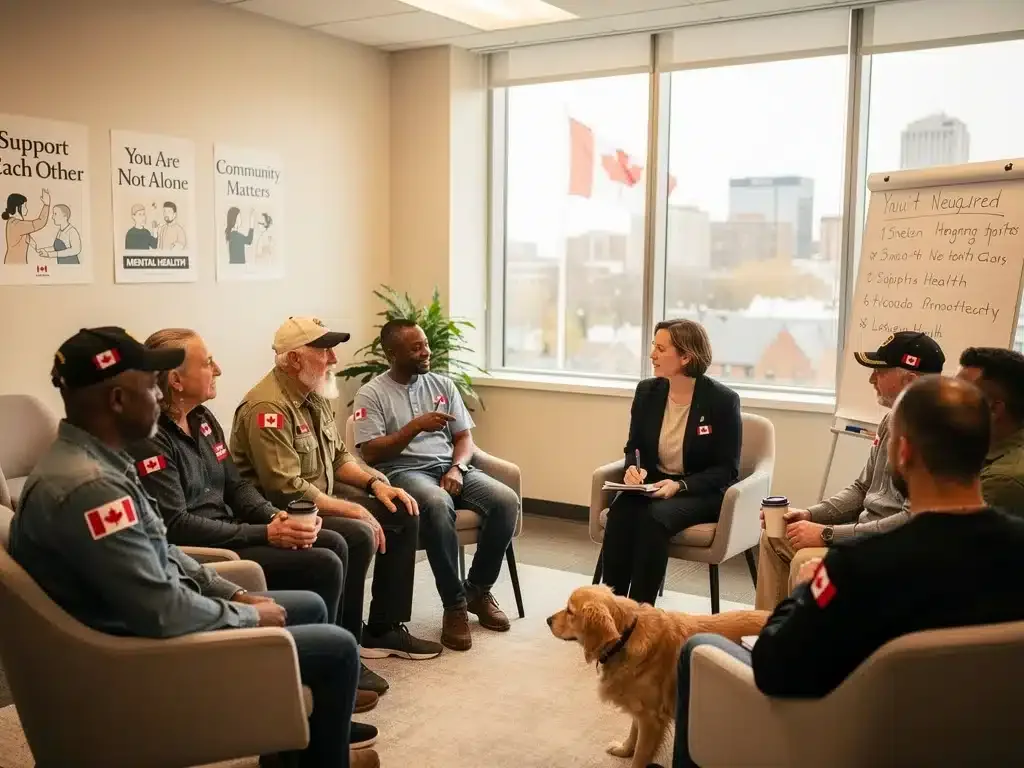
Navigating Application Processes and Eligibility
Accessing veteran benefits requires understanding the specific application processes and eligibility criteria for each program. This can often be complex, necessitating clear guidance.
Veterans Affairs Canada provides resources and support to help applicants navigate these procedures effectively. Proper documentation and attention to detail are key to successful applications.
For 2026, efforts are ongoing to simplify these processes and make information more accessible, ensuring veterans can apply for the support they need without unnecessary hurdles. Exploring Veteran Benefits 2026 aims to demystify this.
Understanding Eligibility Criteria
Each veteran benefit program has distinct eligibility requirements based on service history, medical conditions, and other factors. It is crucial to review these criteria carefully before applying.
Veterans are encouraged to consult with VAC representatives or veteran service organizations for personalized advice. Misunderstanding eligibility can lead to delays or rejections.
- Service requirements (e.g., Regular Force, Reserve Force).
- Nature of injury or illness (service-related vs. non-service-related).
- Financial need assessments for certain programs.
Tips for a Successful Application
A well-prepared application significantly increases the likelihood of a timely approval. Gathering all necessary documents and providing clear, concise information is paramount.
Seeking assistance from VAC caseworkers or veteran advocates can provide invaluable support throughout the application journey. They can offer guidance on completing forms and compiling evidence.
Persistence and thoroughness are key when applying for benefits. Exploring Veteran Benefits 2026 emphasizes preparation.
- Collect all service records and medical documentation.
- Clearly articulate how your condition is service-related.
- Seek assistance from VAC or veteran support organizations.
- Follow up on your application status regularly.
Future Outlook and Advocacy for Veterans
The landscape of veteran benefits is continuously evolving, driven by ongoing research, advocacy, and government priorities. The future holds promises for further enhancements and adaptations.
Advocacy groups play a crucial role in bringing veteran concerns to the forefront, influencing policy changes and program developments. Their tireless efforts ensure that veterans’ voices are heard.
Looking ahead to 2026 and beyond, the commitment to improving the lives of Canadian veterans remains strong, with a focus on innovation and comprehensive support. Exploring Veteran Benefits 2026 is a living document.
Emerging Trends in Veteran Support
Technological advancements are increasingly being integrated into veteran support services, offering new ways to deliver care and information. Digital platforms are making access more convenient.
There’s a growing recognition of the unique challenges faced by specific veteran populations, such as women veterans and Indigenous veterans, leading to more tailored support programs.
The emphasis on proactive and preventative care is also gaining traction, moving beyond reactive treatment to foster long-term health and resilience. Exploring Veteran Benefits 2026 reflects these trends.
The Role of Advocacy Organizations
Veteran advocacy organizations are indispensable partners in shaping policies and ensuring veterans receive the benefits they deserve. They provide a collective voice and critical support services.
These organizations work closely with VAC, lawmakers, and communities to identify gaps in services and champion improvements. Their efforts are vital for continuous progress.
Supporting these groups indirectly benefits all veterans by strengthening the overall support ecosystem. Exploring Veteran Benefits 2026 often refers to their guidance.
| Key Program Area | Brief Description of Support |
|---|---|
| Financial Assistance | Disability benefits, income replacement, and financial planning aid. |
| Health & Well-being | Mental health services, medical care, and rehabilitation programs. |
| Education & Employment | Funding for training, career transition services, and entrepreneurship. |
| Family Support | Caregiver relief and counselling for family members. |
Frequently Asked Questions About Veteran Benefits in 2026
What are the primary changes to veteran benefits for 2026?▼While no drastic overhauls are expected, 2026 will see continued refinements in program delivery and accessibility. Emphasis is placed on streamlining applications and enhancing mental health support, ensuring that Exploring Veteran Benefits in 2026: A Comprehensive Guide to Financial Assistance and Support Programs remains current and effective for veterans across Canada.
How do I apply for disability benefits in Canada?▼Application for disability benefits typically involves submitting a detailed form to Veterans Affairs Canada, along with medical documentation. It’s advisable to gather all service records and medical reports to support your claim. Assistance is available through VAC and veteran advocacy groups for navigating this process, as highlighted in Exploring Veteran Benefits in 2026: A Comprehensive Guide to Financial Assistance and Support Programs.
Are there specific benefits for mental health support?▼Yes, Veterans Affairs Canada offers a robust suite of mental health services, including access to Operational Stress Injury (OSI) clinics, counselling, and peer support programs. These are critical components of Exploring Veteran Benefits in 2026: A Comprehensive Guide to Financial Assistance and Support Programs, reflecting a strong commitment to veteran psychological well-being.
What educational assistance is available for veterans?▼The Education and Training Benefit provides financial support for tuition, books, and living expenses for eligible veterans pursuing post-secondary education or vocational training. This program is detailed within Exploring Veteran Benefits in 2026: A Comprehensive Guide to Financial Assistance and Support Programs, aiming to facilitate career transitions and personal development for those who served.
How can families of veterans receive support?▼Families and caregivers can access various supports, including the Family Caregiver Relief Benefit and family counselling services. These programs acknowledge the vital role families play in a veteran’s life and are integrated into Exploring Veteran Benefits in 2026: A Comprehensive Guide to Financial Assistance and Support Programs to ensure holistic support for the entire family unit.
What this means
The ongoing commitment to Canadian veterans through initiatives like Exploring Veteran Benefits 2026 signifies a continuous effort to provide essential support. Veterans and their families must remain proactive in understanding and accessing these vital resources.
Monitoring official announcements from Veterans Affairs Canada and engaging with veteran advocacy organizations will be key to navigating the evolving landscape of benefits and ensuring that all eligible individuals receive the assistance they deserve.