Caregiver Benefits 2026: Canada’s Essential Support Programs
Advertisements

Latest developments on Caregiver Benefits 2026 Canada, with key facts, verified sources and what readers need to monitor next in Canada, presented clearly in Inglês (Canadá) (en-CA). This overview highlights crucial information for Canadians supporting loved ones.
Caregiver Benefits 2026 Canada is shaping today’s agenda with new details released by officials and industry sources. This update prioritizes what changed, why it matters and what to watch next, in a straightforward news format.
Understanding the Evolving Landscape of Caregiver Benefits 2026 Canada
The federal government and provincial authorities are continually refining support mechanisms for caregivers across the nation. These adjustments aim to better address the diverse needs of individuals providing essential care to family members or friends.
As 2026 approaches, a clearer picture of these programs is emerging, highlighting both continuity and significant enhancements. It is crucial for Canadian caregivers to stay informed about these developments to leverage all available assistance.
These benefits encompass a range of financial aid, tax credits, and support services designed to alleviate the considerable burden associated with caregiving. Understanding the specific criteria and application processes is paramount for accessing these vital resources.
Key Federal Programs and Their Impact on Caregiver Benefits 2026 Canada
Several federal initiatives form the backbone of support for caregivers. These programs are often revised to reflect economic realities and the evolving demographics of Canada’s caregiving population.
The Canada Caregiver Credit (CCC) remains a cornerstone, offering tax relief to eligible individuals. Updates for 2026 might include adjustments to the maximum claimable amount or expanded eligibility criteria.
Employment Insurance (EI) benefits for caregivers also provide critical income replacement during periods when individuals must take time off work to provide care. These provisions are under continuous review to ensure they meet the needs of working Canadians.
The Canada Caregiver Credit: What to Expect
The Canada Caregiver Credit is a non-refundable tax credit that can significantly reduce the amount of income tax owed by eligible individuals. It is intended to recognize the financial contributions of caregivers.
For 2026, experts anticipate potential indexing to inflation or minor adjustments to eligibility thresholds. Caregivers should consult the Canada Revenue Agency (CRA) website for the most up-to-date information as the year progresses.
Eligibility typically depends on the caregiver’s relationship to the care recipient and the care recipient’s mental or physical impairment. Maintaining proper documentation of expenses and care provided is essential for claiming this credit.
Employment Insurance (EI) Caregiving Benefits
- Family Caregiver Benefit for Adults: Provides up to 15 weeks of benefits to care for an adult family member who is critically ill or injured.
- Family Caregiver Benefit for Children: Offers up to 35 weeks of benefits to care for a critically ill or injured child under 18.
- Compassionate Care Benefits: Provides up to 26 weeks of benefits to care for a family member who needs end-of-life care.
These EI benefits offer crucial financial relief, allowing caregivers to temporarily step away from their jobs without complete loss of income. The application process requires medical certificates and proof of caregiving responsibilities.
Provincial and Territorial Support: A Diverse Landscape for Caregiver Benefits 2026 Canada
Beyond federal programs, each province and territory offers its own unique suite of support for caregivers. These can range from direct financial assistance to respite care services and training programs.
The specifics vary significantly by region, reflecting local needs and priorities. Caregivers must research the programs available in their specific province or territory to ensure they are utilizing all relevant resources.
These provincial programs often complement federal benefits, creating a more comprehensive support system. Understanding how these layers of support interact is key to maximizing overall assistance for Caregiver Benefits 2026 Canada.
Ontario’s Caregiver Tax Credit and Other Initiatives
Ontario, for instance, has historically provided a variety of programs, including its own caregiver tax credit, although specific details and availability can change. The province also funds numerous community-based support services.
The Ontario Caregiver Organization (OCO) serves as a vital resource, connecting caregivers with information, support groups, and practical tools. Their role in disseminating information about Caregiver Benefits 2026 Canada at the provincial level is invaluable.
Respite care programs, designed to give caregivers a temporary break, are often a significant component of provincial offerings. These services can be instrumental in preventing caregiver burnout and promoting well-being.

Caregiver Support in British Columbia and Alberta
- BC Family Caregiver Support Service: Offers information, navigation, and emotional support to caregivers.
- Alberta Seniors Benefit: Can indirectly support caregivers by providing income to senior care recipients, reducing financial strain on caregivers.
- Respite Options: Both provinces offer various forms of respite care, from in-home support to short-term facility stays.
The western provinces are also actively working to enhance their caregiver support frameworks. Programs in British Columbia and Alberta focus on both financial relief and access to crucial support services, recognizing the holistic needs of caregivers.
Eligibility Criteria and Application Process for Caregiver Benefits 2026 Canada
Navigating the eligibility requirements for various caregiver benefits can be complex. Each program has specific criteria related to the caregiver’s relationship to the care recipient, the severity of the care recipient’s condition, and sometimes income thresholds.
The application process often involves gathering medical documentation, proof of expenses, and detailed information about the care provided. Meticulous record-keeping is highly recommended to streamline this process.
Caregivers should begin by identifying which programs they might qualify for and then meticulously review the application guidelines for each. Early preparation can significantly reduce stress and improve the chances of a successful application for Caregiver Benefits 2026 Canada.
Common Eligibility Factors
Most programs require that the care recipient be dependent on the caregiver due to age, illness, or disability. The nature and extent of this dependency are typically assessed through medical reports or professional evaluations.
For tax credits, the care recipient’s net income may be a factor, as the credit is often reduced or eliminated if their income exceeds a certain threshold. It is important to understand these nuances.
Residence in Canada is a universal requirement, and for provincial programs, residency in the specific province or territory is also mandatory. These foundational criteria underpin access to most Caregiver Benefits 2026 Canada.
Streamlining Your Application
- Gather Medical Documentation: Obtain up-to-date medical certificates and diagnoses for the care recipient.
- Track Expenses: Keep detailed records of all care-related expenses, including receipts for medications, medical supplies, and specialized services.
- Understand Deadlines: Be aware of application deadlines for both federal and provincial programs to avoid missing out on benefits.
Utilizing online portals and government websites can often simplify the application process, providing clear instructions and submission options. Many government agencies also offer helplines for direct assistance with inquiries.
Financial Assistance and Tax Credits: Maximizing Your Caregiver Benefits 2026 Canada
Financial support is a critical component of caregiver benefits, designed to offset the significant costs associated with providing care. These can include direct payments, tax credits, and deductions.
Understanding the interplay between federal and provincial financial aid is essential for maximizing overall support. Some benefits may be stackable, while others might exclude eligibility for similar programs.
Caregivers should consult with financial advisors or tax professionals to ensure they are taking full advantage of every available financial relief option. This proactive approach can significantly impact their financial well-being for Caregiver Benefits 2026 Canada.
Navigating Tax Implications
Beyond the Canada Caregiver Credit, other tax provisions may apply, such as the Medical Expense Tax Credit for eligible expenses incurred on behalf of a dependent. These can further reduce a caregiver’s tax burden.
It is important to differentiate between refundable and non-refundable tax credits, as their impact on your tax return varies. Non-refundable credits reduce taxes owed, while refundable credits can result in a refund even if no tax is owed.
Keeping thorough records of all medical and care-related expenses is crucial for accurately claiming these credits. The CRA provides detailed guidelines on what constitutes an eligible expense.
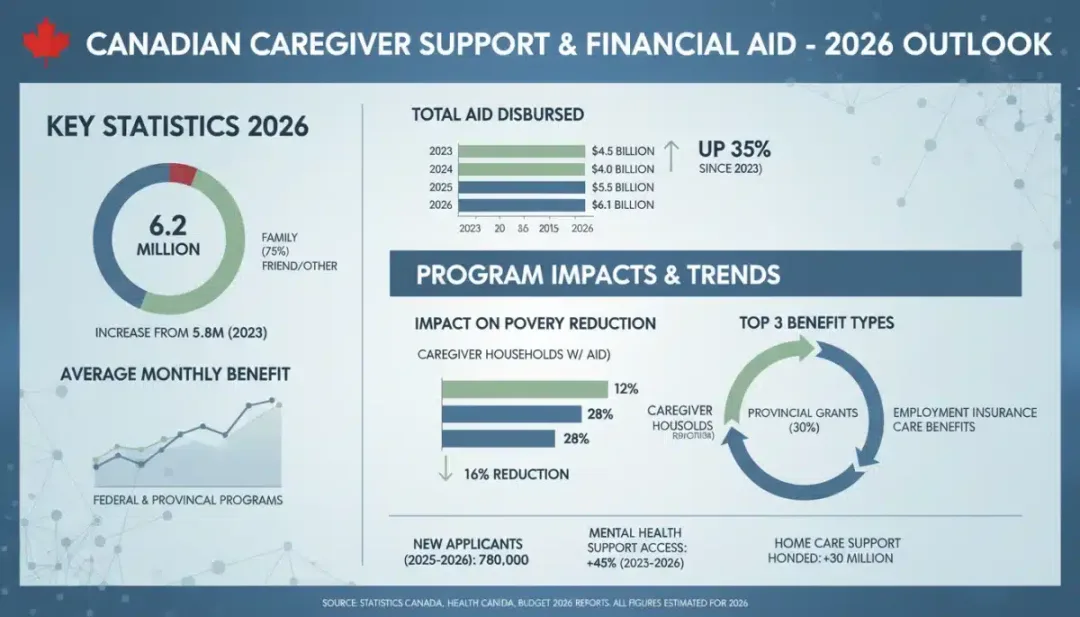
Other Financial Support Avenues
- Disability Tax Credit (DTC): While for the person with the disability, it can enable caregivers to claim other related credits.
- Provincial Direct Funding Programs: Many provinces offer direct funding to individuals with disabilities or their caregivers to purchase services and supports.
- Community Grants and Bursaries: Local organizations and charities often provide grants specifically for caregivers or for the purchase of specialized equipment.
Exploring all these avenues can provide a more robust financial safety net for caregivers. The cumulative effect of these various supports can make a substantial difference in managing caregiving costs.
Respite Care and Support Services: Essential Non-Financial Aid for Caregiver Benefits 2026 Canada
Beyond financial aid, respite care and support services are vital for the mental and physical well-being of caregivers. These services provide temporary relief, allowing caregivers to rest, attend to personal needs, or pursue other interests.
Access to these services can prevent burnout, reduce stress, and improve the overall quality of care provided. Provinces and territories widely offer various forms of respite, from in-home assistance to short-term stays in care facilities.
Identifying and utilizing these non-financial supports is just as important as securing financial aid. They represent a crucial component of comprehensive Caregiver Benefits 2026 Canada.
Types of Respite Care Available
In-home respite provides a trained professional who comes to the care recipient’s home, allowing the caregiver to leave for a few hours or even a full day. This is often preferred for its convenience and familiarity for the care recipient.
Adult day programs offer supervised care in a community setting, providing social engagement for the care recipient and a structured break for the caregiver. These programs often include activities, meals, and social interaction.
Facility-based respite involves a short-term stay for the care recipient in a long-term care facility or specialized respite centre. This option is ideal for caregivers needing an extended break, such as for a vacation or recovery from illness.
Accessing Support Networks and Resources
- Caregiver Support Groups: Provide a platform for sharing experiences, advice, and emotional support with peers facing similar challenges.
- Information and Referral Services: Many provincial health authorities and non-profit organizations offer services to help caregivers navigate the complex healthcare system and connect with local resources.
- Caregiver Education and Training: Workshops and courses are available to equip caregivers with practical skills and knowledge to better manage their caregiving responsibilities.
These networks and resources are invaluable for reducing feelings of isolation and empowering caregivers with the tools they need to succeed. They are a cornerstone of effective Caregiver Benefits 2026 Canada.
Future Outlook and Advocacy for Caregiver Benefits 2026 Canada
The landscape of caregiver support is continuously evolving, driven by demographic shifts, policy discussions, and ongoing advocacy efforts. Looking towards 2026 and beyond, further enhancements and expansions of caregiver benefits are anticipated.
Advocacy groups play a crucial role in bringing caregivers’ concerns to policymakers, pushing for more inclusive and robust support systems. Their work often leads to tangible improvements in benefit programs.
Caregivers themselves can contribute to this evolution by engaging with advocacy efforts, sharing their stories, and participating in consultations. Collective action strengthens the call for comprehensive Caregiver Benefits 2026 Canada.
Anticipated Changes and Policy Directions
Discussions are ongoing regarding the potential for a national caregiver strategy, which could standardize certain benefits and services across provinces. Such a strategy would represent a significant step forward.
There is also a growing recognition of the need to address the mental health impact of caregiving, suggesting future programs may include more dedicated psychological support services.
The increasing use of technology in caregiving, such as remote monitoring and virtual support, may also influence how benefits are structured and delivered in the coming years. This shift could enhance accessibility for Caregiver Benefits 2026 Canada.
Preparing for Caregiver Benefits 2026 Canada: A Proactive Approach
To effectively navigate the array of support available, caregivers must adopt a proactive and informed approach. This involves staying updated on policy changes, understanding eligibility, and meticulous record-keeping.
Regularly checking government websites, subscribing to newsletters from caregiver organizations, and engaging with local support networks are all crucial steps. Knowledge is power when it comes to accessing benefits.
Planning ahead for financial and personal well-being is paramount. Caregiving is a marathon, not a sprint, and sustainable support systems are essential for both the caregiver and the care recipient. Ensuring readiness for Caregiver Benefits 2026 Canada is key.
Essential Steps for Caregivers
- Stay Informed: Regularly check official government sources and reputable caregiver organizations for updates.
- Document Everything: Maintain comprehensive records of medical conditions, care provided, and all related expenses.
- Seek Support: Connect with local caregiver support groups and utilize available respite services to prevent burnout.
By taking these steps, caregivers can better position themselves to access and benefit from the full spectrum of support available. The commitment to caregiving is profound, and the support systems are designed to acknowledge and assist in this vital role.
| Key Point | Brief Description |
|---|---|
| Federal Programs | Canada Caregiver Credit and EI benefits offer tax relief and income replacement. |
| Provincial Support | Each province/territory provides unique financial aid and respite services. |
| Eligibility & Application | Specific criteria and meticulous documentation are essential for access. |
| Respite & Well-being | Non-financial aid like respite care is crucial for caregiver health. |
Frequently Asked Questions About Caregiver Benefits 2026 Canada
What are the main federal Caregiver Benefits 2026 Canada?▼The primary federal benefits include the Canada Caregiver Credit (a non-refundable tax credit) and Employment Insurance (EI) benefits for caregivers. These provide financial relief or income replacement for eligible individuals caring for critically ill or injured family members.
How do provincial benefits complement federal Caregiver Benefits 2026 Canada?▼Provincial benefits vary by region and often include direct financial assistance, respite care services, and community support programs. They are designed to supplement federal aid, addressing specific local needs and providing a more comprehensive support network for caregivers.
What documentation is needed to apply for Caregiver Benefits 2026 Canada?▼Applicants typically need medical certificates or diagnoses for the care recipient, proof of relationship, and detailed records of care-related expenses. Specific programs may require additional documentation, so always check official guidelines carefully.
Are there non-financial supports available for caregivers in Canada?▼Yes, numerous non-financial supports exist, including respite care (in-home, adult day programs, facility-based), caregiver support groups, and educational resources. These services are crucial for preventing burnout and enhancing the overall well-being of caregivers.
How can caregivers stay informed about updates to Caregiver Benefits 2026 Canada?▼Caregivers should regularly check official government websites (federal and provincial), subscribe to newsletters from reputable caregiver organizations, and engage with local support networks. This proactive approach ensures access to the latest information and resources.
Looking Ahead
The evolving landscape of Caregiver Benefits 2026 Canada underscores a growing national recognition of the invaluable role caregivers play. Continued advocacy and policy adjustments are expected to refine these programs, aiming for greater accessibility and more comprehensive support. Caregivers should remain engaged and informed, as future developments will undoubtedly shape the resources available to them in the coming years, impacting both financial stability and personal well-being.