Navigating Student Loan Repayment in 2026: Key Changes to Federal and Provincial Programs Affecting Borrowers
Advertisements

Managing your educational debt can feel overwhelming, but staying ahead of student loan repayment policy shifts is the key to protecting your personal budget.
As 2026 brings updated federal and provincial adjustments across Canada, understanding what lies ahead is crucial for every borrower.
Recent policy tweaks to grant thresholds, repayment assistance terms, and institutional eligibility mean the borrowing landscape is actively evolving. While these changes aim to improve long-term affordability, navigating the updated rules requires a proactive strategy.
Whether you are preparing to customize your monthly installment or checking your eligibility for loan forgiveness programs, taking action now avoids costly surprises. Discover the essential breakdown of Canada’s new guidelines and how they affect your financial future.
Understanding the Federal Student Loan Landscape for 2026
The federal government continues to be a major player in student financial aid, and its programs are undergoing critical transformations.
These changes are designed to address long-standing concerns regarding student debt burdens and to provide more flexible repayment options for a diverse borrower base.
Official announcements confirm a renewed focus on interest relief and expanded eligibility for certain programs.
These adjustments aim to ensure that post-secondary education remains accessible and that graduates can transition into the workforce without immediate overwhelming financial pressure.
Borrowers need to pay close attention to these federal updates, as they often set the foundation for provincial programs. Understanding the federal framework is the first step in effectively navigating student loan repayment in 2026.
Key Federal Program Modifications
Several significant modifications are set to take effect, impacting how federal student loans are managed and repaid. These include potential changes to interest accrual, repayment assistance programs (RAP), and thresholds for income-driven repayment plans.
The Canada Student Financial Assistance Program (CSFA) is at the heart of these federal adjustments. Officials are working to ensure these changes are communicated clearly and effectively to all affected parties, minimizing confusion during the transition period.
- Interest-Free Status Expansion: Further extensions or permanent changes to interest-free periods for federal loans are under consideration, potentially reducing the overall cost of borrowing for many.
- Repayment Assistance Program (RAP) Enhancements: Revisions to RAP eligibility criteria and payment thresholds are anticipated, making it easier for low-income borrowers to manage their monthly payments.
- Streamlined Application Processes: Efforts to simplify the application and reapplication process for repayment assistance are ongoing, aiming to reduce administrative hurdles for borrowers.
Provincial Program Adjustments and Their Interplay with Federal Aid
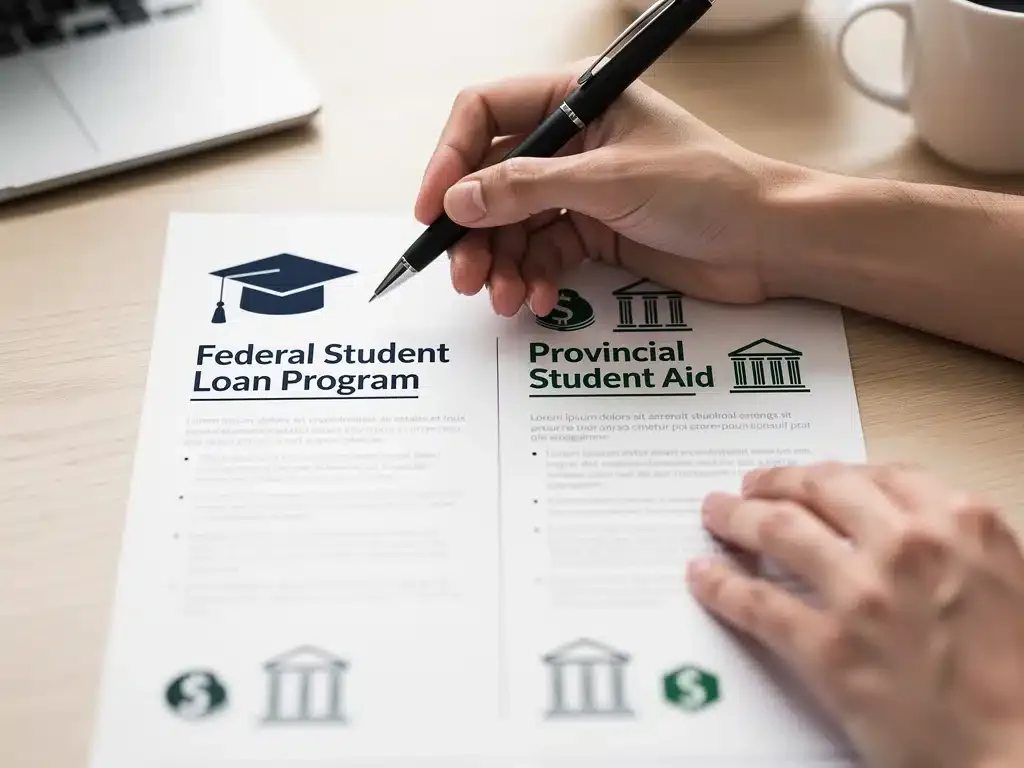
While federal changes provide a national baseline, provincial student loan programs often have their own unique structures and rules.
In 2026, many provinces are also implementing adjustments that will directly affect their residents, sometimes complementing and sometimes differing from federal initiatives.
The interplay between federal and provincial programs is crucial for borrowers to understand. A change in one sphere can have ripple effects on the other, influencing total debt load and repayment strategies. This integrated approach is essential when navigating student loan repayment in 2026.
Each province and territory has its own student aid office, and it is imperative for borrowers to consult their specific provincial guidelines. What applies in Ontario might not apply in Alberta, and vice-versa, necessitating a localized understanding of the changes.
Regional Variations in Student Loan Policies
Provinces are adapting their policies to align with, or diverge from, federal changes based on their unique economic and social contexts. Some provinces may offer additional grants, while others might focus on specific debt relief programs or different interest rate structures.
For instance, some provinces might introduce new provincial repayment assistance plans or adjust existing ones to better support their local graduates. These regional nuances are critical for borrowers to research and understand.
- Provincial Grant Programs: Several provinces are exploring new or expanded grant opportunities that do not require repayment, reducing the overall debt burden for eligible students.
- Interest Rate Modifications: Some provinces may adjust their own interest rates for provincial portions of student loans, potentially offering lower rates or interest-free periods.
- Debt Forgiveness Initiatives: Certain provinces might introduce targeted debt forgiveness programs for graduates working in high-demand sectors or underserved regions.
Impact on Borrowers: What to Expect in 2026
The collective impact of these federal and provincial changes will be felt across the spectrum of Canadian student loan borrowers.
From recent graduates to those who have been repaying for years, the adjustments could significantly alter financial planning and repayment trajectories.
Many borrowers may see a reduction in their monthly payments or a decrease in the total interest paid over the life of their loans. However, these benefits are not automatic and often require proactive engagement with student aid authorities.
Understanding these potential impacts is vital for effectively navigating student loan repayment in 2026. Proactive planning will be key to leveraging the new provisions.
Practical Implications for Your Repayment Strategy
Borrowers should begin by reviewing their current loan statements and understanding the breakdown between federal and provincial components. This initial assessment will help identify which changes are most relevant to their specific situation.
It is advisable to contact your loan service provider or provincial student aid office for personalized guidance. They can provide detailed information on how the new policies apply to your existing loans and future repayment obligations.
Consider re-evaluating your budget and financial goals in light of these changes. Any reduction in payments or interest could free up funds for other financial priorities, such as savings or investments.
Important Dates and Deadlines for Student Loan Repayment 2026
Staying informed about crucial dates and deadlines is paramount for all student loan borrowers. Missing a key date could result in missed opportunities for assistance or even penalties, impacting your financial standing.
Government bodies and student aid organizations are expected to release comprehensive timelines detailing when specific changes come into effect. These dates will dictate when new applications can be made, or when existing terms will automatically adjust.
Marking these dates on your calendar and setting reminders will be essential for successfully navigating student loan repayment in 2026. Proactive engagement with these timelines is highly recommended.
Timeline for Upcoming Changes
While specific dates vary by program and jurisdiction, a general timeline for the implementation of these changes is emerging. Many federal adjustments are expected to be fully in force by the start of the 2026 fiscal year, with provincial programs following suit.
Borrowers should look out for official communications from their loan providers and government agencies. These notifications will provide the most accurate and up-to-date information regarding specific deadlines for applications or policy changes.
- Early 2026: Initial roll-out of federal program modifications, including updated interest relief policies and enhanced RAP criteria.
- Mid-2026: Provincial adjustments expected to align with or complement federal changes, potentially introducing new local initiatives.
- Late 2026: Review periods and further refinements based on initial implementation feedback and ongoing economic conditions.
Resources and Support for Canadian Borrowers
A wealth of resources is available to help Canadian student loan borrowers understand and adapt to these upcoming changes. Leveraging these tools and support systems can make a significant difference in managing educational debt.
Government websites, financial institutions, and non-profit organizations offer valuable information, calculators, and counselling services. These resources are designed to empower borrowers with the knowledge needed to make informed decisions.
Utilizing these support channels is a crucial aspect of effectively navigating student loan repayment in 2026. Do not hesitate to seek assistance when needed.
Where to Find Reliable Information and Assistance
The official websites of the Canada Student Financial Assistance Program and your respective provincial student aid office are primary sources for accurate information. These platforms often include FAQs, policy documents, and contact details for direct inquiries.
Many financial institutions that administer student loans also provide dedicated support for borrowers, including online portals and customer service representatives. They can offer insights into your specific loan terms and how changes will affect you.
- Government Portals: Visit the official Government of Canada website and your provincial government’s education or student aid section for policy details.
- Loan Service Providers: Contact your specific loan servicer (e.g., National Student Loans Service Centre) for personalized information about your account.
- Financial Counsellors: Consider consulting with accredited financial counsellors who specialize in debt management for tailored advice.
Future Outlook: Beyond 2026 for Student Loan Repayment
While the immediate focus is on 2026, it is important to consider the longer-term trajectory of student loan policies in Canada. These changes are part of an ongoing evolution in how governments approach post-secondary education funding and debt management.
Policymakers continue to monitor economic conditions, employment rates, and the overall financial well-being of graduates. This continuous evaluation suggests that further adjustments and refinements to student loan programs are likely in the years to come.
Staying engaged with these broader trends will help borrowers anticipate future shifts and plan accordingly, extending beyond the immediate concerns of navigating student loan repayment in 2026.
Evolving Policies and Economic Factors
The Canadian economy, global financial markets, and demographic shifts all play a role in shaping future student loan policies. Governments aim to strike a balance between supporting education and ensuring fiscal responsibility.
Discussions around universal basic income, tuition fee freezes, and alternative funding models for post-secondary education could also influence the landscape of student loan repayment in the long term.
Borrowers should remain aware of these broader economic and policy discussions. They provide context for current changes and offer clues about potential future developments in student financial aid.
| Key Change Area | Brief Description of Update |
|---|---|
| Federal Interest Policies | Potential for extended interest-free periods or reduced rates on federal loans. |
| Repayment Assistance Programs | Enhanced eligibility and adjusted thresholds for income-driven repayment plans. |
| Provincial Program Alignment | Provinces making specific adjustments, potentially offering grants or unique debt relief. |
| Communication & Resources | Emphasis on clear communication and accessible support for all borrowers. |
Frequently Asked Questions About Student Loan Repayment in 2026
What are the most significant federal changes for 2026 student loan repayment?▼The most significant federal changes for student loan repayment 2026 include potential extensions of interest-free periods and enhancements to the Repayment Assistance Program (RAP). These adjustments aim to make federal loans more manageable for borrowers, especially those with lower incomes or facing financial hardship. Official government sources will provide specific details on implementation.
How do provincial changes impact my federal student loans?▼Provincial changes primarily affect the provincial portion of your student loans, but they can indirectly impact your overall repayment strategy. Some provinces may introduce additional grants or modify their own interest rates, which could reduce your total debt burden. It’s crucial to consult both federal and provincial student aid offices for a complete picture when navigating student loan repayment in 2026.
Where can I find personalized information about my student loan repayment?▼For personalized information, you should contact the National Student Loans Service Centre (NSLSC) for federal loans and your specific provincial student aid office for provincial loans. These bodies can provide details on your current loan status, eligibility for new programs, and how the 2026 changes will apply to your unique situation. Their websites also offer valuable resources.
Are there any new programs for student loan debt forgiveness in 2026?▼While widespread debt forgiveness programs are not broadly announced for student loan repayment 2026 at the federal level, some provinces may introduce targeted initiatives. Enhanced Repayment Assistance Programs (RAP) can effectively reduce monthly payments to zero for eligible low-income borrowers, which acts as a form of relief. Always check specific provincial updates for localized forgiveness options.
What proactive steps should I take to prepare for 2026 student loan changes?▼To prepare for student loan repayment 2026, proactively review your loan statements, understand the federal and provincial components, and visit official government and loan servicer websites for updates. Consider re-evaluating your budget and contacting a financial counsellor if you need personalized advice. Staying informed about key dates and deadlines is also crucial for effective planning.
What This Means for Canadian Borrowers
The evolving landscape of student loan repayment in 2026 signifies a concerted effort to support Canadian borrowers, but also places responsibility on individuals to stay informed.
These changes, both federal and provincial, are designed to offer more flexibility and potentially reduce financial strain, yet their benefits are contingent on active engagement from borrowers.
Understanding the nuances of each program and how they interact is paramount for effective debt management. The upcoming year will be a test of adaptability for both government programs and individual financial planning strategies.